
Dairy & Milk Processing Wastewater Treatment
The most innocent-looking water carries the most deceptive load: it runs clear, yet cheese whey pushes the COD up to slaughterhouse levels and CIP cycles throw the pH to both extremes. We have known these three habits of the dairy industry for 30 years.
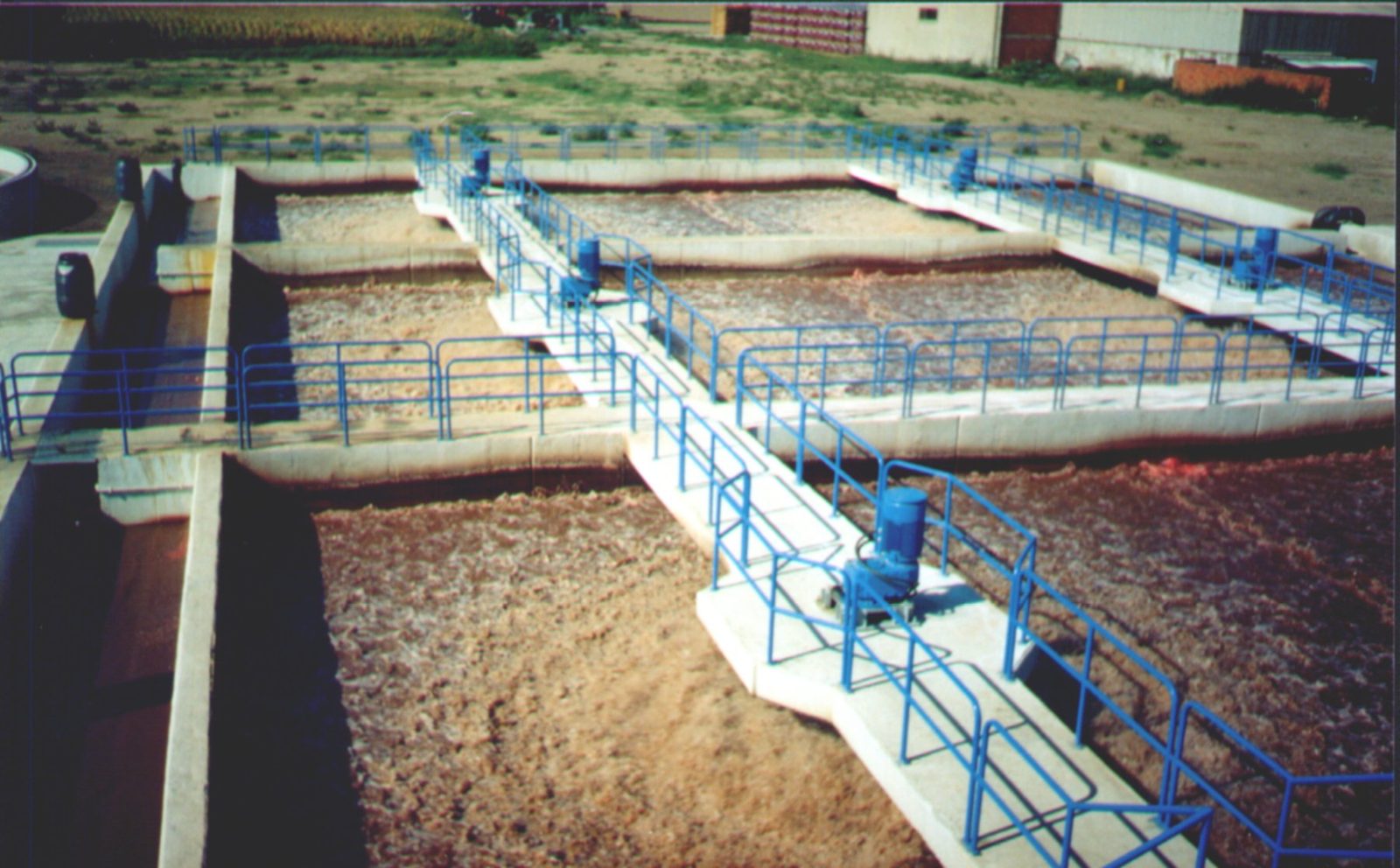
How is dairy wastewater treated? Dairy and milk processing wastewater carries a high COD load (typically around 3,000 mg/L, rising into the tens of thousands once cheese whey is included), a milk fat emulsion and pH swings caused by CIP cleaning; the standard treatment line is pH equalization + DAF + biological treatment. GESU has built this line at plants such as Aynes, Konsüt, Karacabey Yoğurt and SEK Süt (Mustafa Kemalpaşa / Bursa); capturing the cheese whey separately from the very beginning is the first rule of the design.
For plants in Türkiye the design target is Table 5.3 of the Turkish Water Pollution Control Regulation (SKKY — Su Kirliliği Kontrolü Yönetmeliği). Between the limit on paper and the real effluent sit two variables: the CIP pH swing and the cheese whey load.
The three habits of dairy wastewater
- Cheese whey: if it is not collected separately, on its own it pushes the COD into the tens of thousands of mg/L.
- CIP pH swing: acidic and caustic wash cycles throw the pH between 4.5 and 11 — the enemy of biological treatment.
- Milk fat emulsion: it hides without rising to the surface, degrades quickly and creates odour; it is removed by DAF.
The GESU treatment line
- A dedicated treatment approach for cheese whey
- Anaerobic + aerobic combination
- Optional energy recovery through biogas
- Seasonal capacity flexibility
Our dairy references



Let's talk about the water in your dairy plant
If you have an analysis report, send it over and let our engineer assess your cheese whey and CIP load within 48 hours. No obligation to buy.
Dairy & milk processing wastewater — frequently asked questions
We have compiled the questions our customers ask most often. If you can't find the answer you are looking for, get in touch with us.
Why must cheese whey be handled separately?
Whey is by far the most heavily loaded stream in a dairy plant; on its own it pushes COD into the tens of thousands of mg/L. Collecting it separately, before it reaches the drain, both reduces the treatment load and creates value for feed / lactose recovery. Our first question is always the same: where does the whey go?
Why does the pH of dairy plant wastewater swing so widely?
CIP (clean-in-place) cycles use acidic and caustic solutions in turn, so the wastewater pH can swing between 4.5 and 11. If the pH is not stabilized in an equalization tank ahead of the biological stage, the biomass is killed.
Which treatment line does GESU apply to dairy wastewater?
The standard line is pH equalization + DAF + biological treatment (SBR / MBR), with an optional UASB anaerobic stage ahead of the aerobic step at high loads, followed by discharge or reuse. A dedicated approach for cheese whey, an anaerobic + aerobic combination, optional energy recovery through biogas and seasonal capacity flexibility are part of the design. GESU has built this line at plants such as Aynes, Konsüt, Karacabey Yoğurt and SEK Süt (Mustafa Kemalpaşa / Bursa).
Let our references do the talking
See what we have delivered in the dairy and food industry.
Explore our food & dairy references