
Masters of Chemistry in Metal Finishing Wastewater
Plating wastewater is not a single stream; it is four chemically hostile streams: oily, cyanide-bearing, chromium-bearing and acid-alkali/heavy-metal. GESU makes this segregation a non-negotiable requirement at the design table. Norm Holding (5 plants), EJOT TEZMAK (2 plants), Mitaş + Mişa (2 plants), Çayırova Boru (2 plants) — the same customers coming back again and again is the proof of this approach.
The photo on the right is not a stock image: our customer Norm Coating wrote the GESU name itself on the "We Respect Nature" banner it hung at its own plant. That is the one reference money cannot buy.
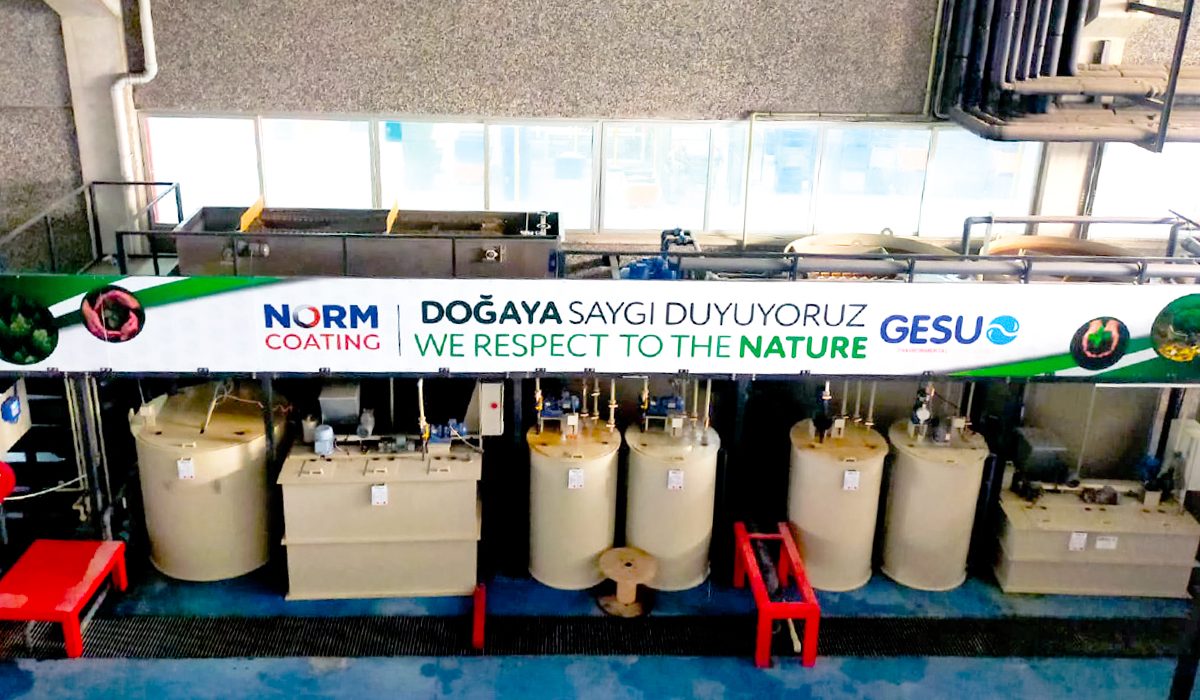
On the plating line of one of Türkiye's largest white-goods manufacturers, industrial plating wastewater is treated with a GESU DAF system; 70% of the water is recovered and returned to the process. What the plater used to call an "expense item" became a resource here.
GESU DAF on oil treatment; the plant's PP tanks were manufactured at the GESU factory.
Chosen again and again at 5 separate plants of the same group. Zinc-nickel alloy + zinc treatment; DAF on the zinc line.
"Wastewater Treatment and Recovery in Metal Finishing: From an Obligation to a Competitive Advantage" — Turkish + English, 7-page industry article.
Go to the article →Metal Finishing & Plating Plants That Trust Us
From galvanizing and zinc-nickel lines to iron & steel and cataphoresis; we have been solving the toughest chemistry in plating wastewater with the same team for years. Orange-framed cards mean the same customer entrusted us with more than one plant.













Brand names and logos belong to their respective owners; GESU presents them as references. Plant counts are based on the GESU project archive.
Our Own Manufacturing, Our Own Sites
No stock images. Every frame below comes from a real GESU metal & plating reference. Click to enlarge.
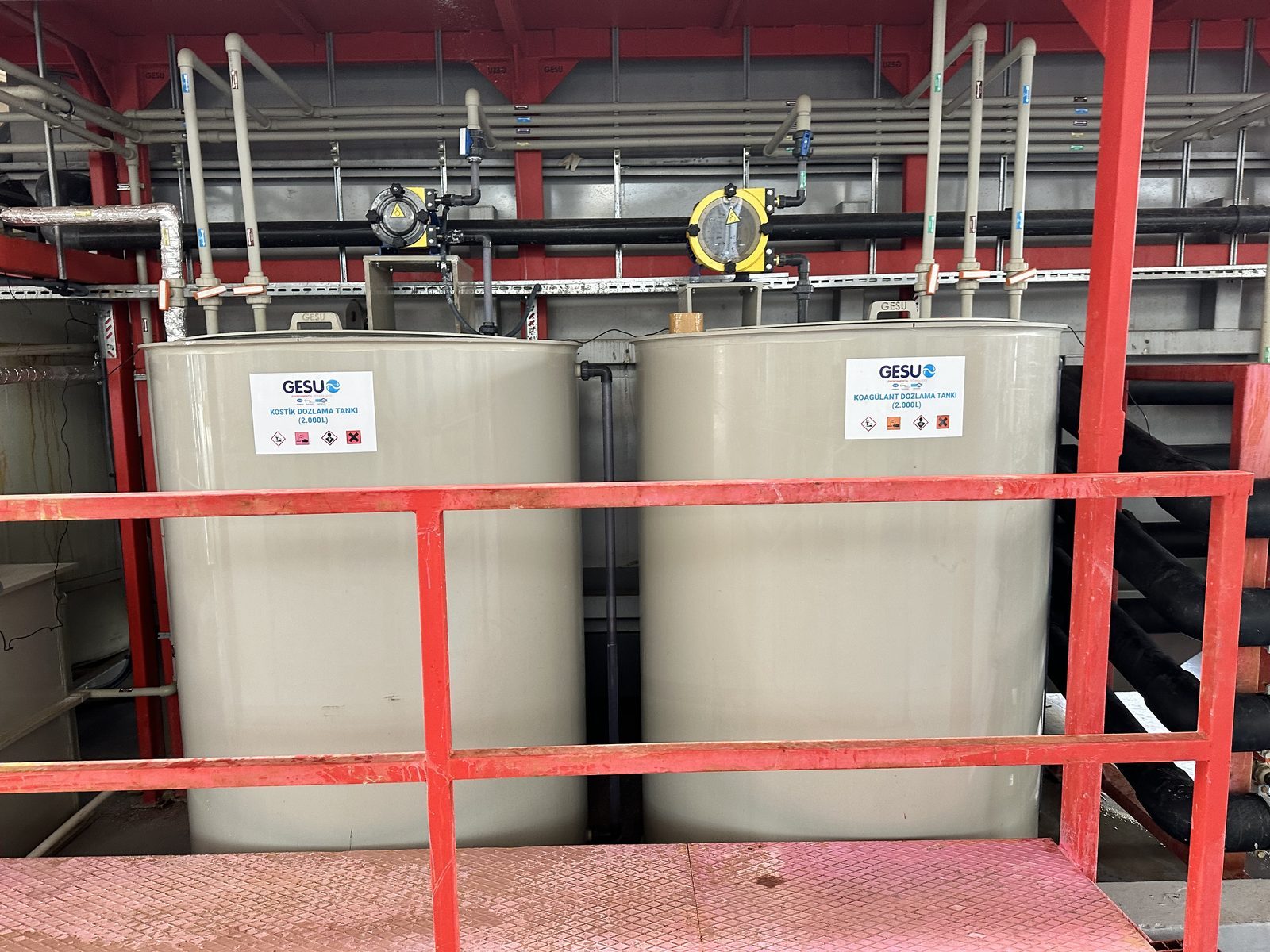
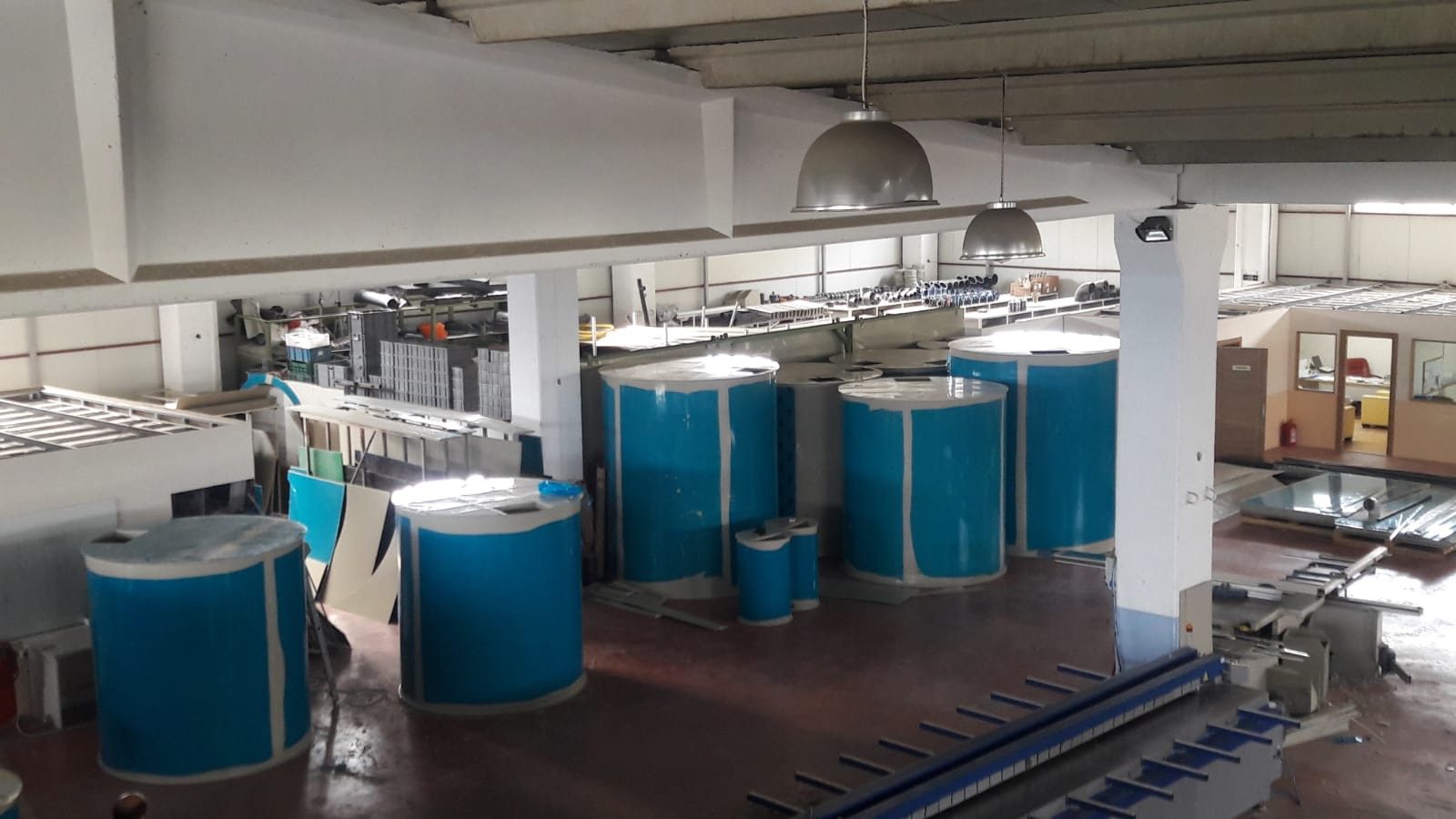
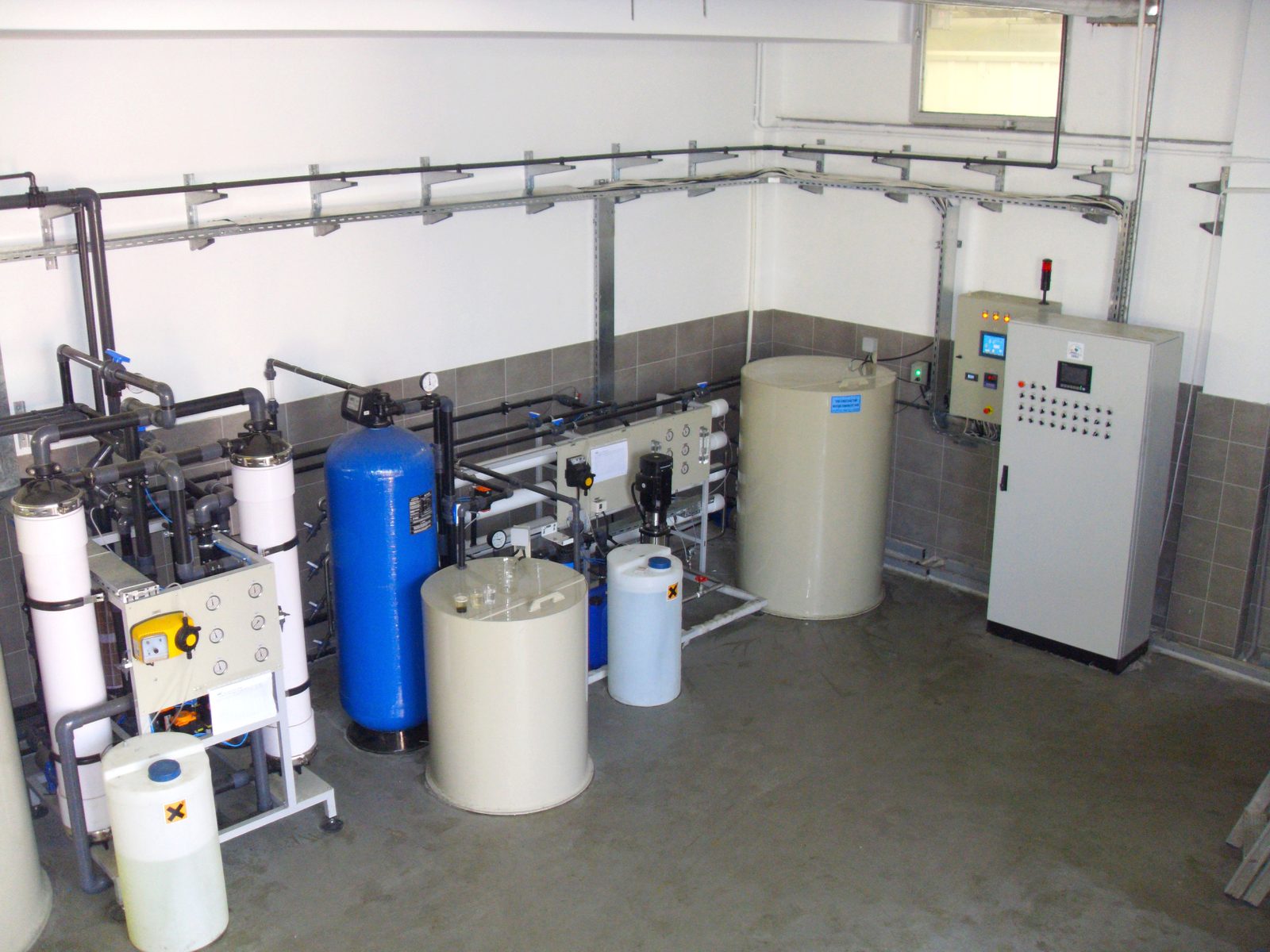
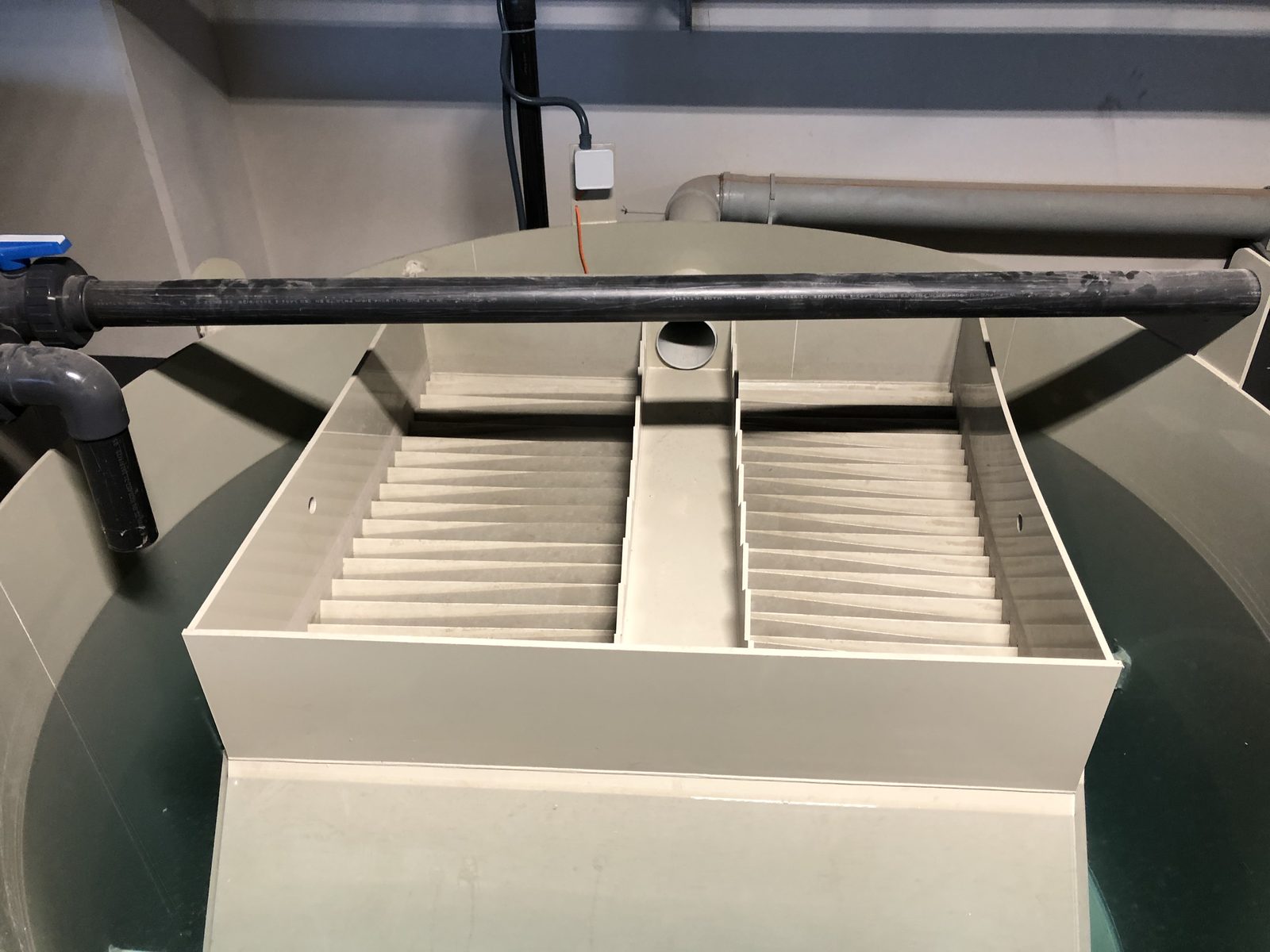
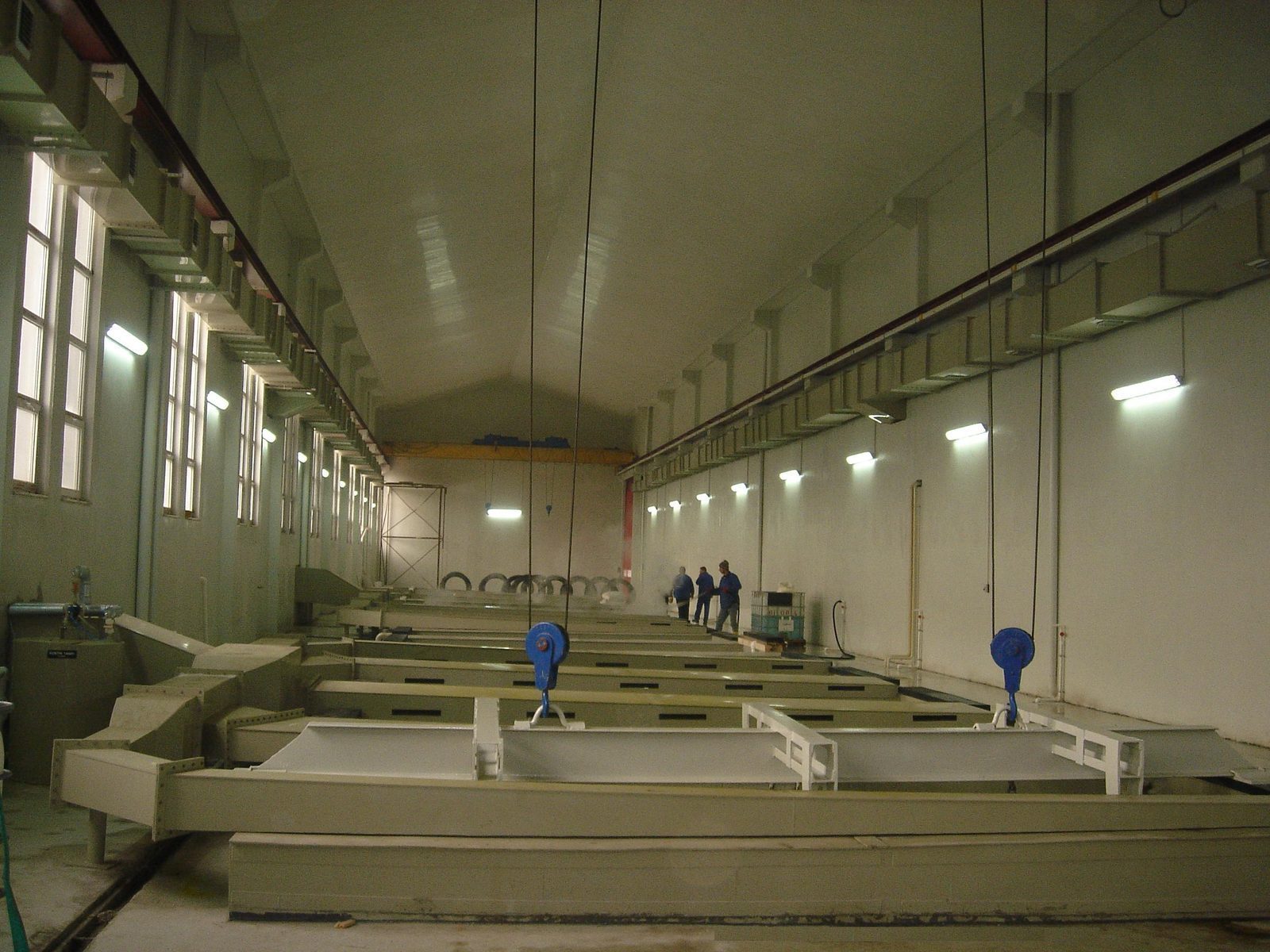
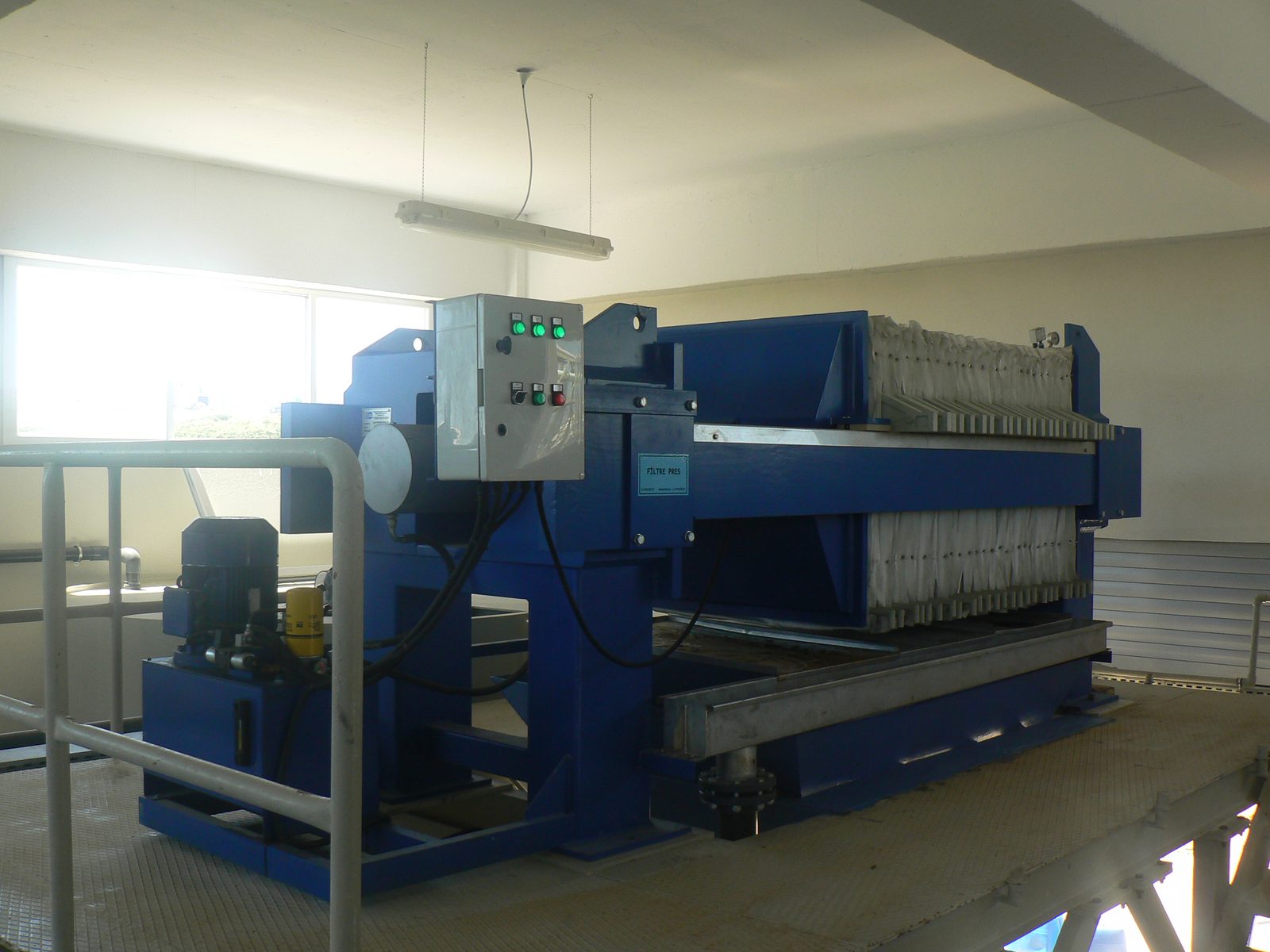
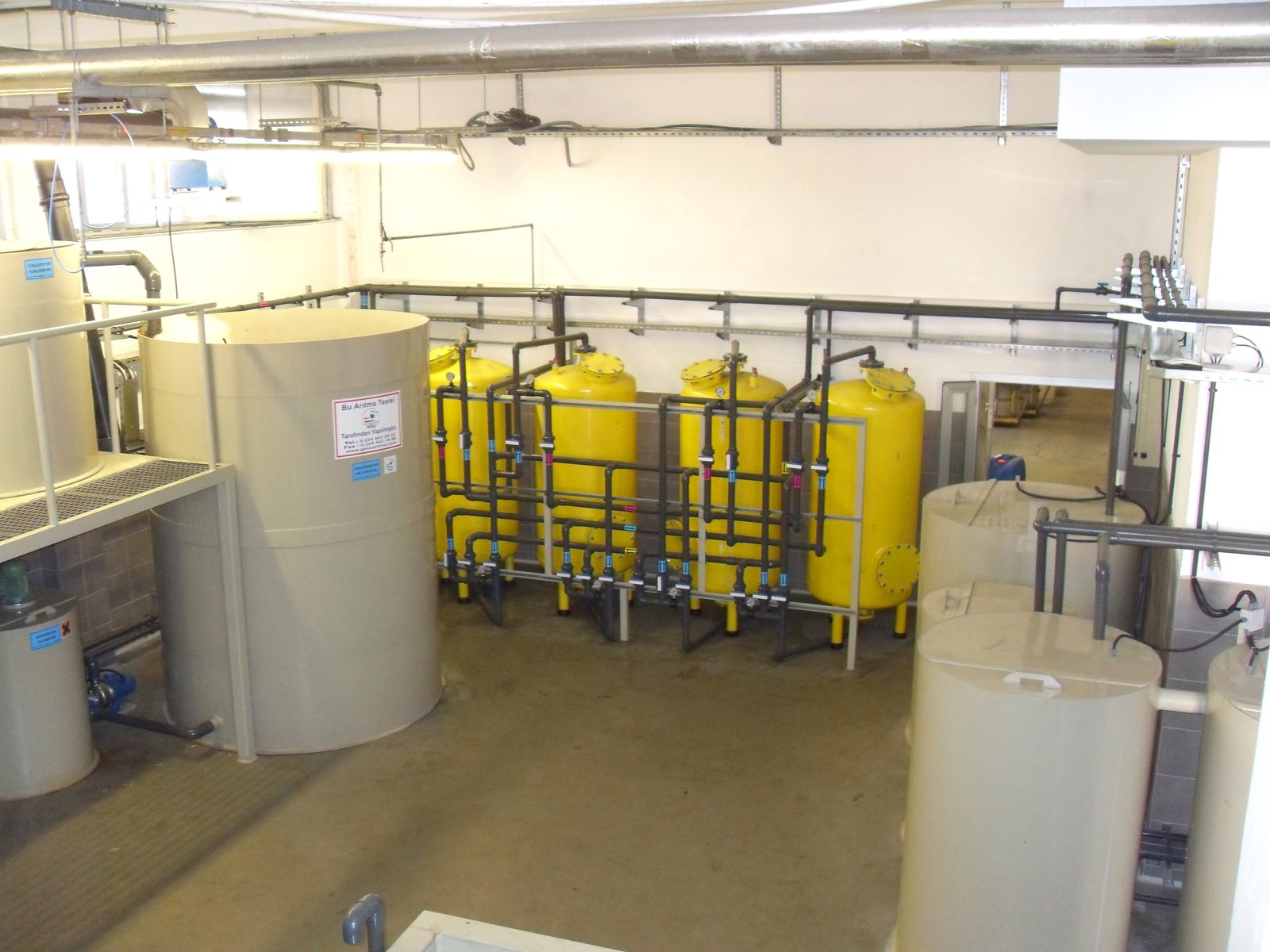
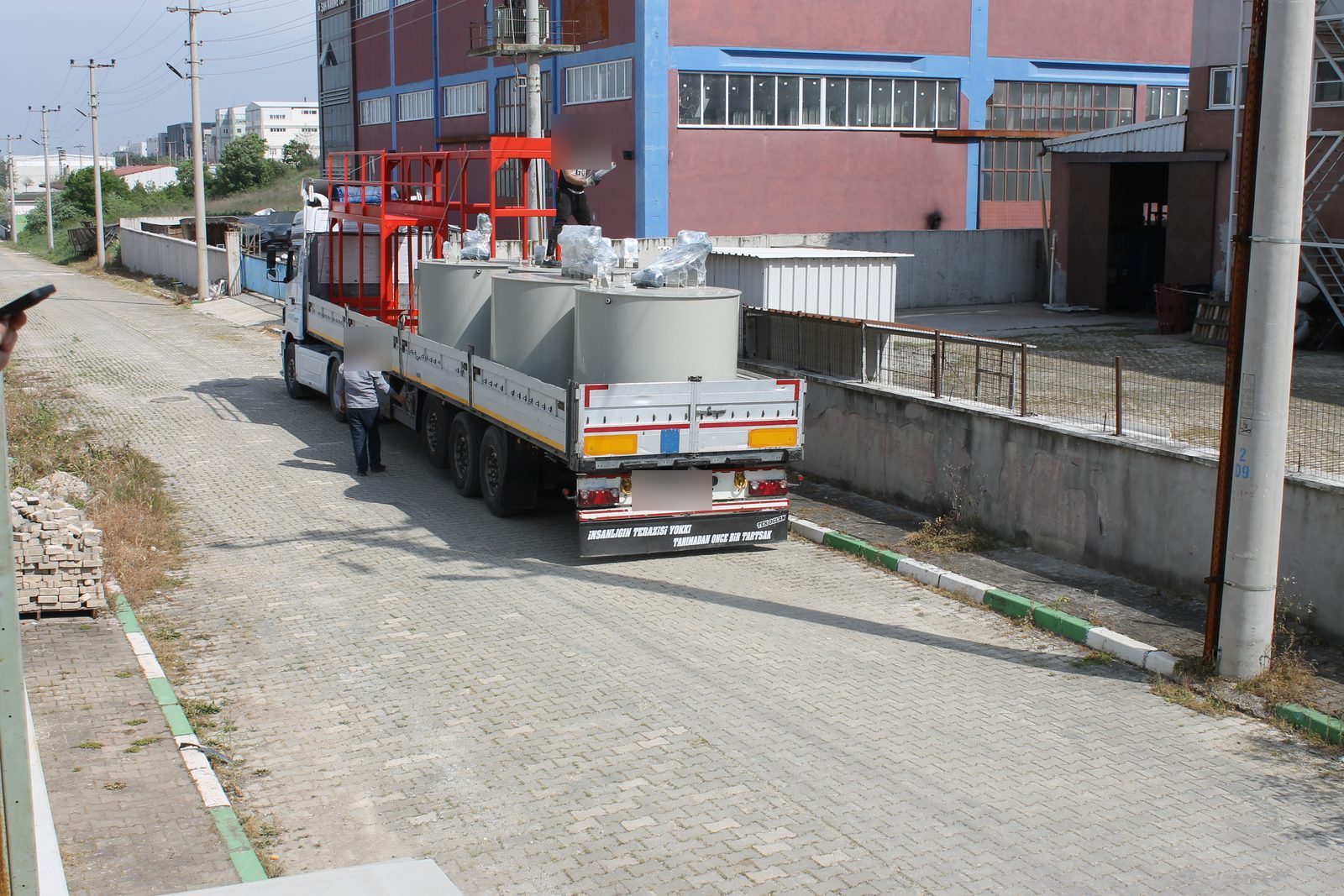
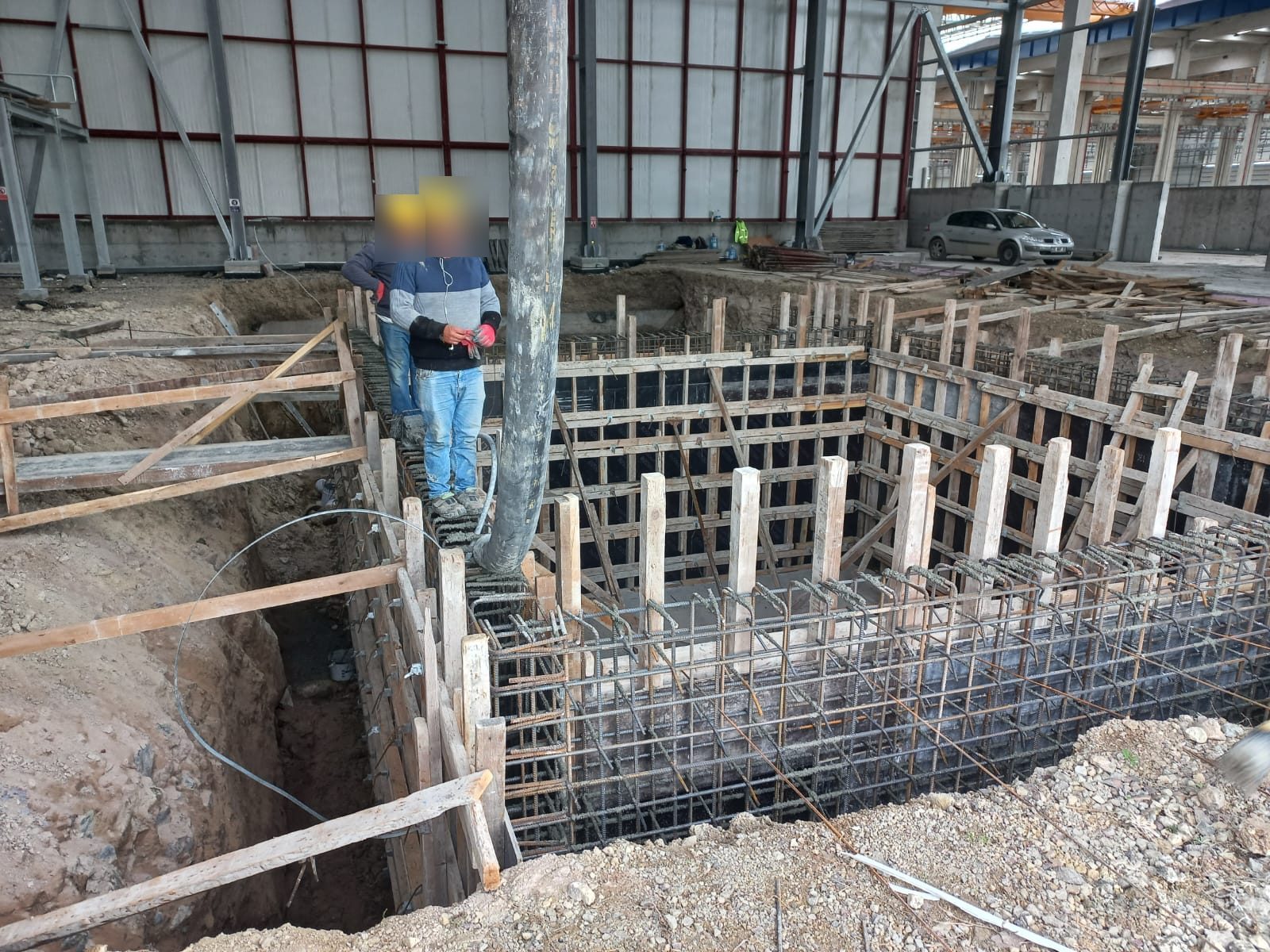
Field Footage
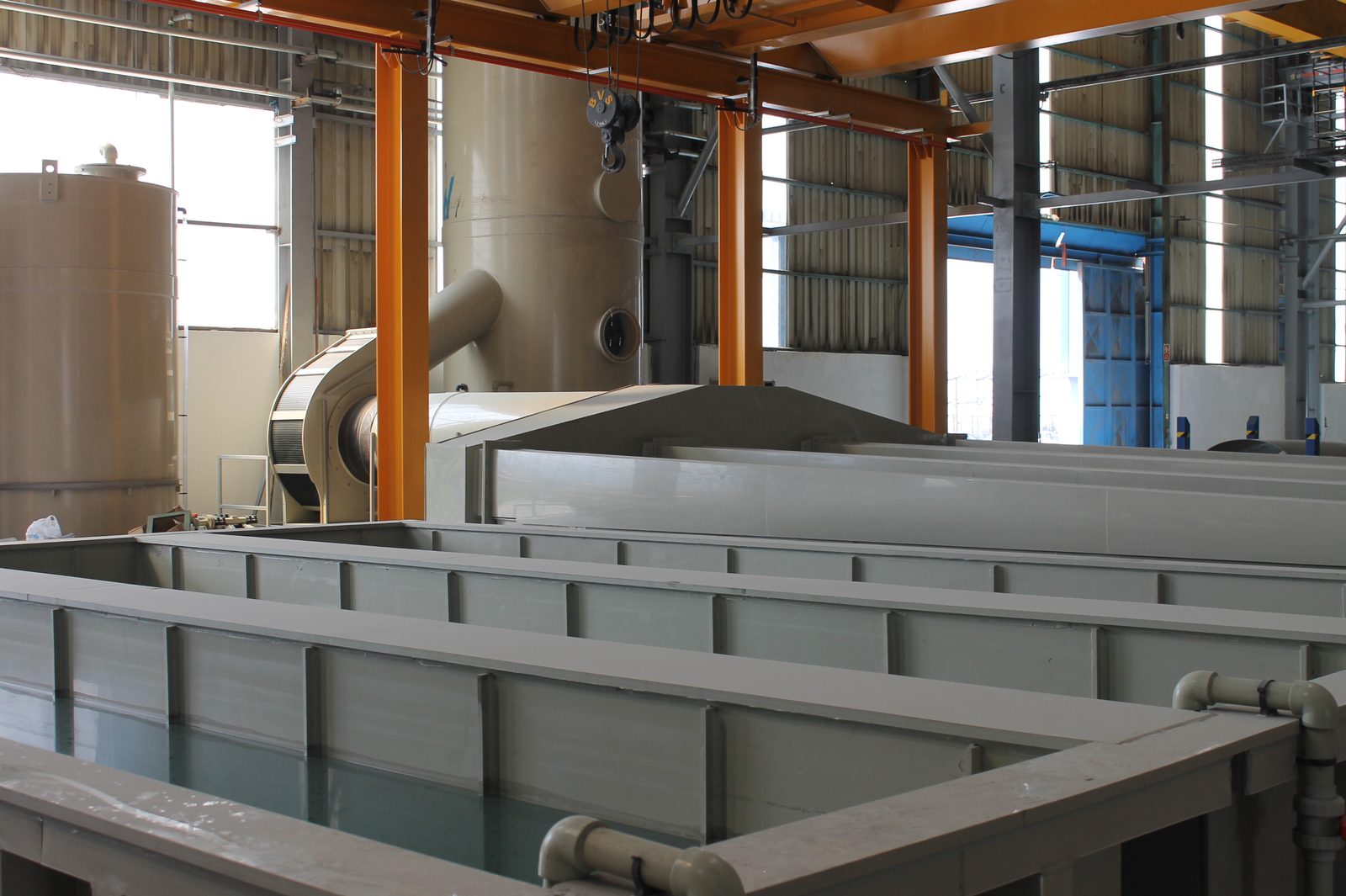
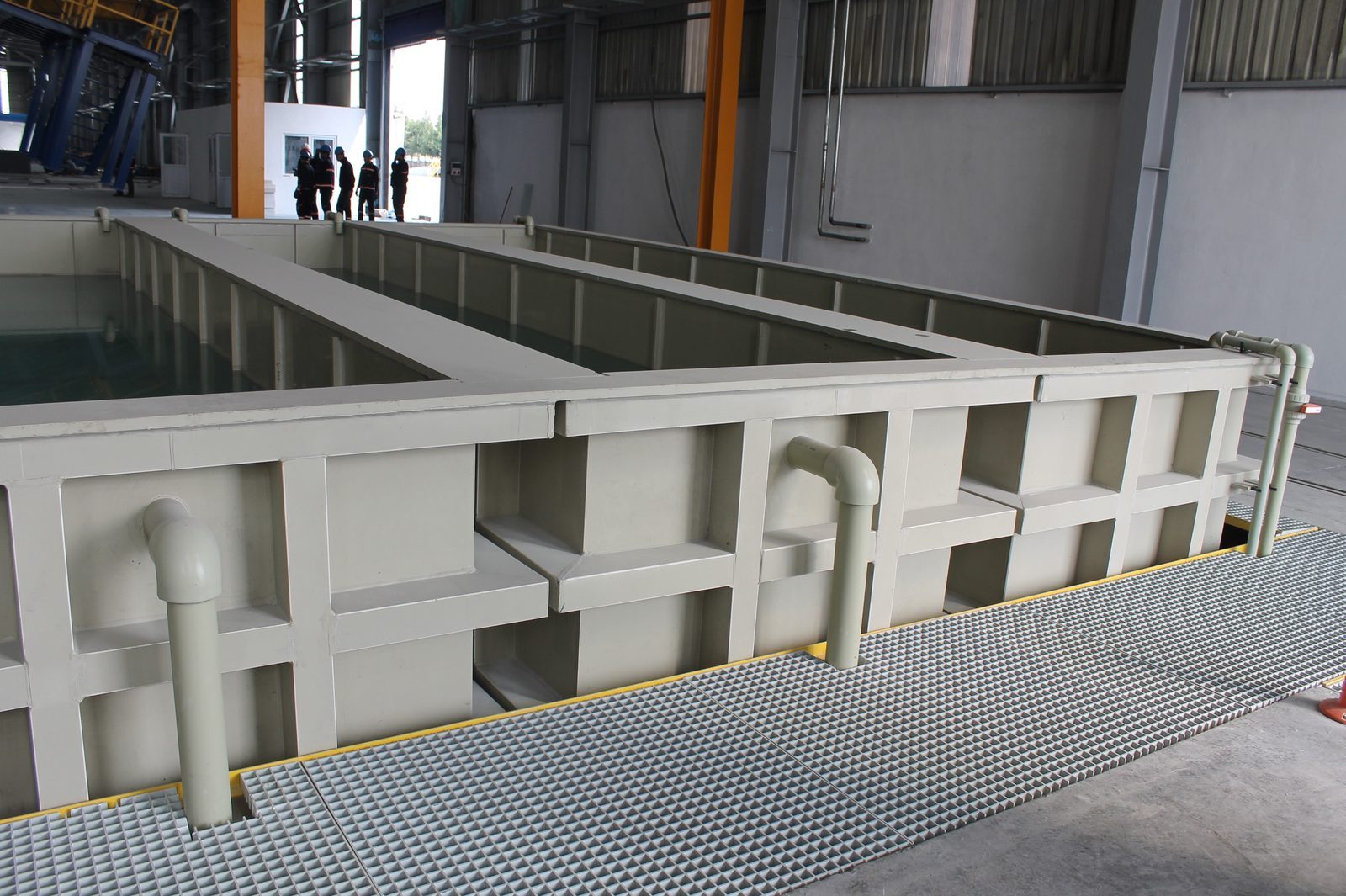
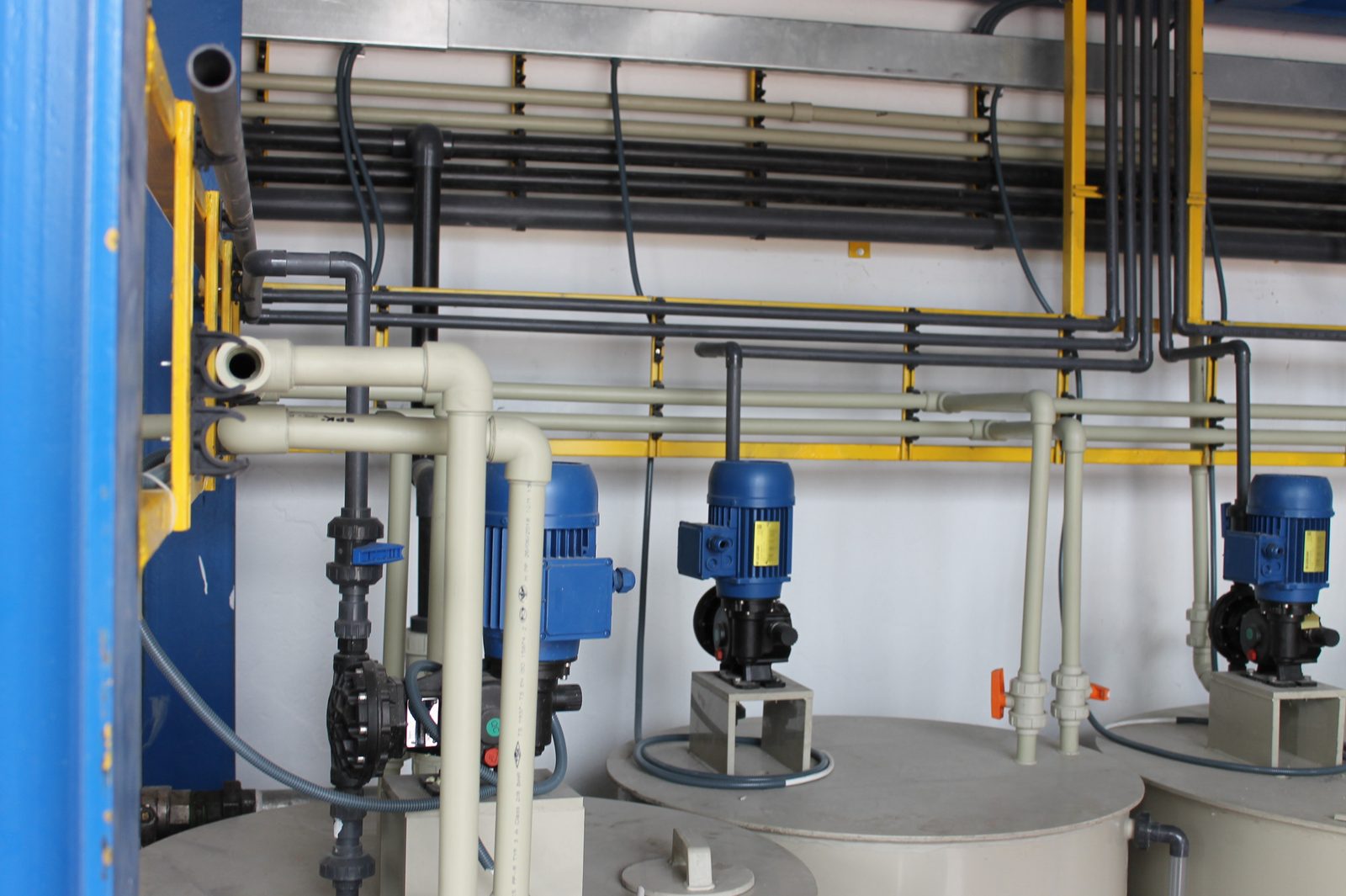
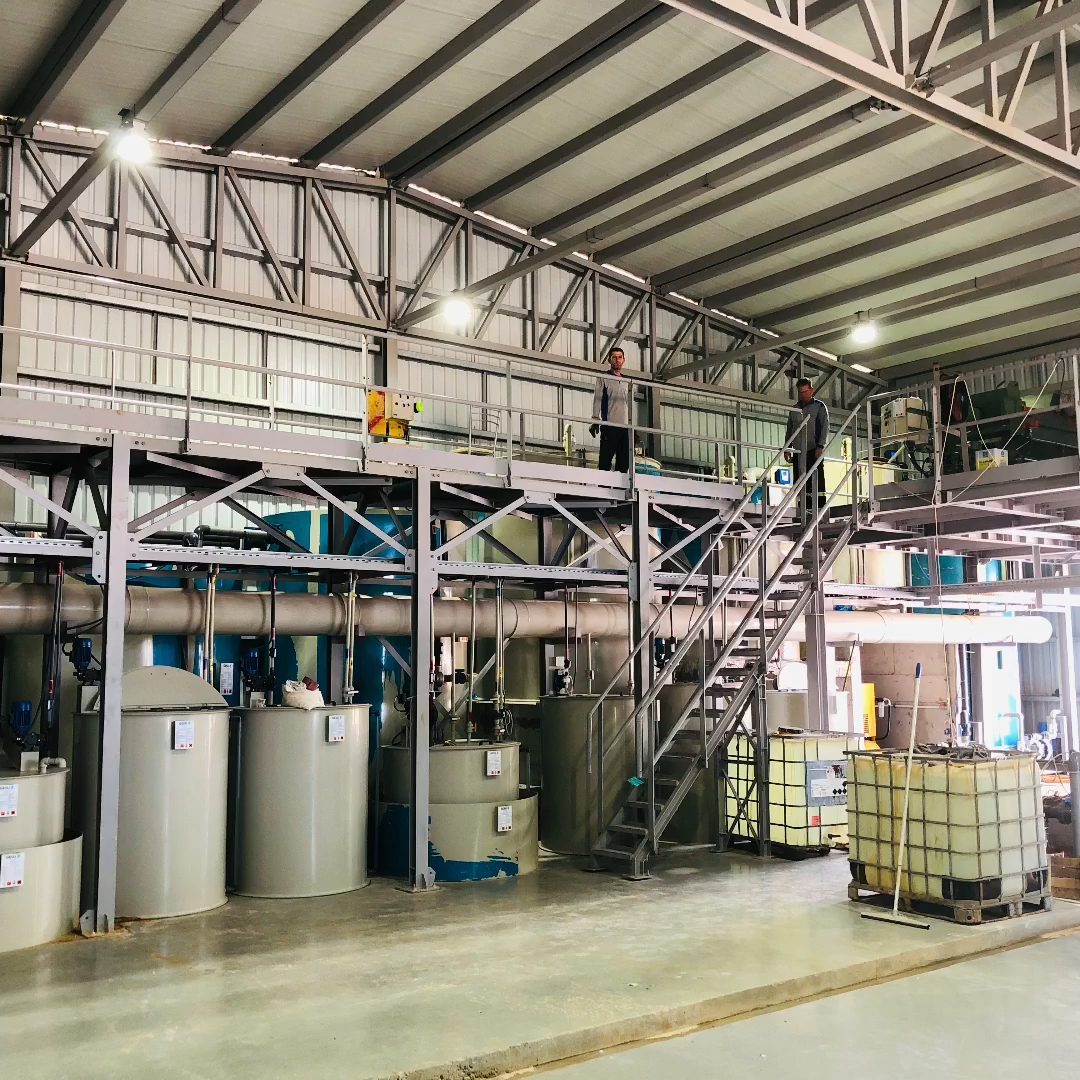
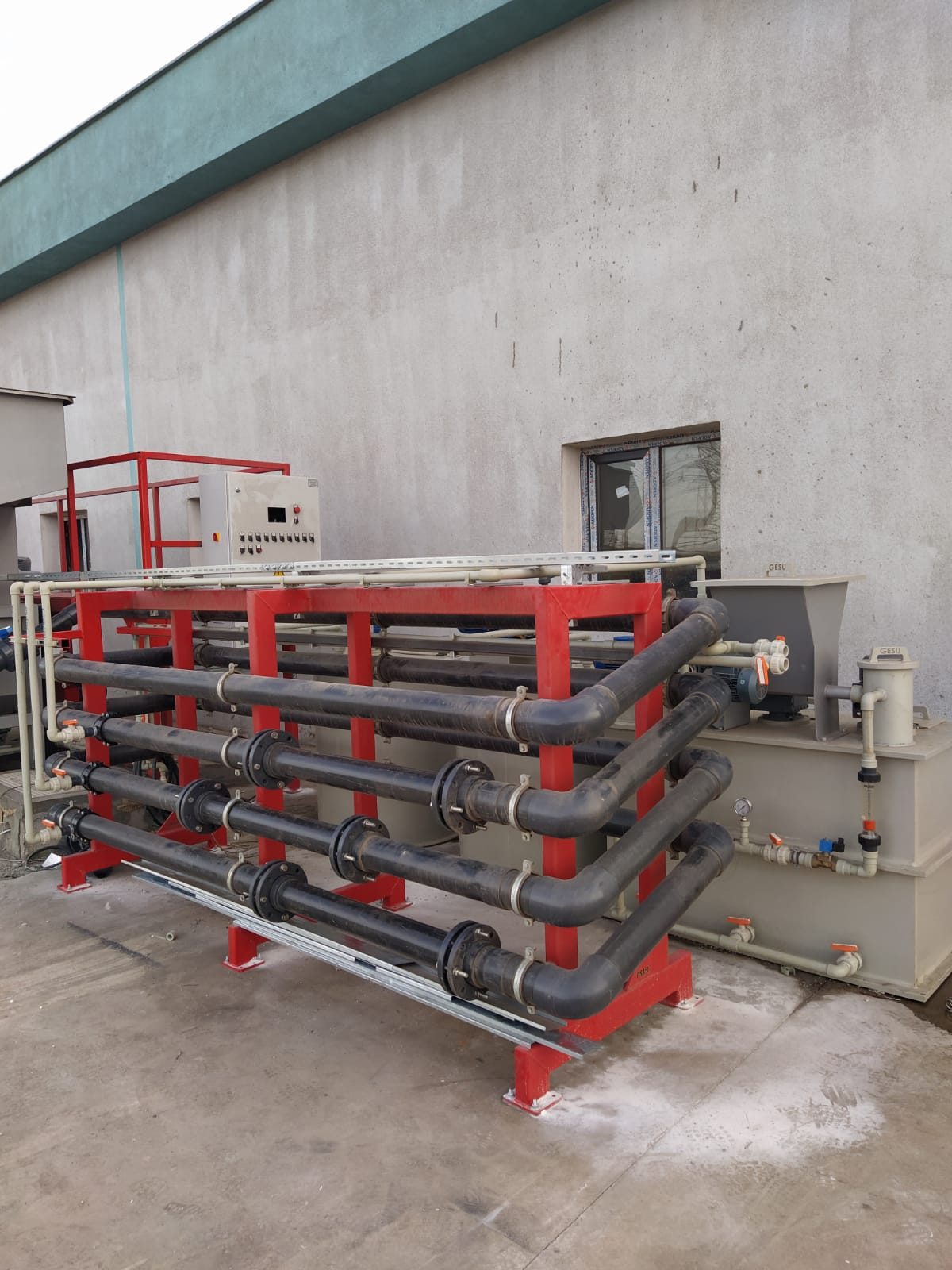
GESU-manufactured PP tank battery and treatment line at the Çayırova Boru plant.
Four Hostile Streams
Plating wastewater is not homogeneous. There are four streams of different character, and mixing them indiscriminately is disastrous: combining the effluent of an oxidation step with the effluent of a reduction step means pouring two mutually cancelling formulations into the same tank. The first rule of engineering: stream segregation is essential.
The GESU Solution Chain
Success in plating wastewater comes from the right chemical sequence before expensive equipment. The backbone in our article published in TÜYİDER DERGİ is exactly the chain we build in the field.
1. Stream Segregation
Oily, cyanide, chromium and acid-alkali streams are collected in separate lines. Concentrated bath dumps are separated from dilute rinses and dosed into the main line in a controlled (batch) manner. GESU makes this segregation a requirement at the design table.
2. Cyanide Oxidation & Cr⁶⁺ Reduction
Cyanide is destroyed by two-stage alkaline chlorination (ORP-controlled, 99%+ removal). Cr⁶⁺ is reduced to Cr³⁺ with metabisulfite at pH 2-3. The two lines never mix.
3. DAF — The Oily Stream
The COD + surfactant load of the degreasing baths is floated off with DAF; precipitation and membranes are protected. GESU manufactures its DAF units in its own factory. DAF systems →
4. Neutralization & Staged Precipitation
Each metal has a different minimum-solubility pH; a single pH cannot remove all metals from mixed-metal water. Staged hydroxide precipitation + coagulation-flocculation is applied; chelates are broken first.
5. Lamella / MF + Filter Press
Clarification is done with a lamella or MF membrane (MF effluent: Ni <0.15, Cr <0.1, TSS <1 mg/L). Metal hydroxide sludge is dewatered in a filter press.
6. Polishing & UF + RO Recovery
A sand filter + activated carbon (+ zeolite/resin) "polishing train" pulls the effluent far below the limit; with UF + RO the water returns to rinsing. Water reuse →
Sub-Sectors
Electroplating Plants
Challenges
- Heavy metals such as Cr⁶⁺, Ni, Zn, Cu — very strict limits under the Turkish Water Pollution Control Regulation
- Cyanide baths — toxic; must be destroyed by oxidation
- Acidic and alkaline rinse waters — pH swings from 1 to 13
The GESU Solution
Why GESU?
- In-house Cr(VI) reduction reactor manufacturing
- PP tank and dosing system production
- Compliance with the Turkish Water Pollution Control Regulation (Table 10)
- Optional water reuse with RO
- References: Norm Holding (5 plants, zinc-nickel alloy + zinc), Mitaş + Mişa Galvanizing (2 plants), EJOT TEZMAK (2 plants), TMK Kataforez
DAF in Plating Treatment? Yes — and It Works
Platers usually think of DAF as food- and oil-industry equipment. GESU has proven otherwise at three sites: DAF on Norm's zinc treatment line, 70% water recovery with DAF on a white-goods giant's plating wastewater in Eskişehir, and 30% water recovery with DAF on oil treatment at Şara Adana.
The secret: degreasing baths (alkaline, solvent, electrolytic, emulsion) leave their high COD and surfactant load in the DAF; precipitation and membranes are protected. GESU manufactures its DAF units in its own factory.
Our Article in TÜYİDER DERGİ
"Wastewater Treatment and Recovery in Metal Finishing: From an Obligation to a Competitive Advantage" — TÜYİDER DERGİ, Issue 23 (2026). Turkish + English, 7 pages.
"I have been dealing with industrial wastewater for nearly thirty years, and during this time, the metal finishing industry has proven to be both the most challenging and the most instructive sector I have encountered."
"Water is becoming scarce; the winners will be those who clean it and reuse it."
Cem İbrikçi — Founder & General Manager of GESU · Member of the TÜYİDER Environment and Sustainability Working Group
Download the Article (PDF, bilingual)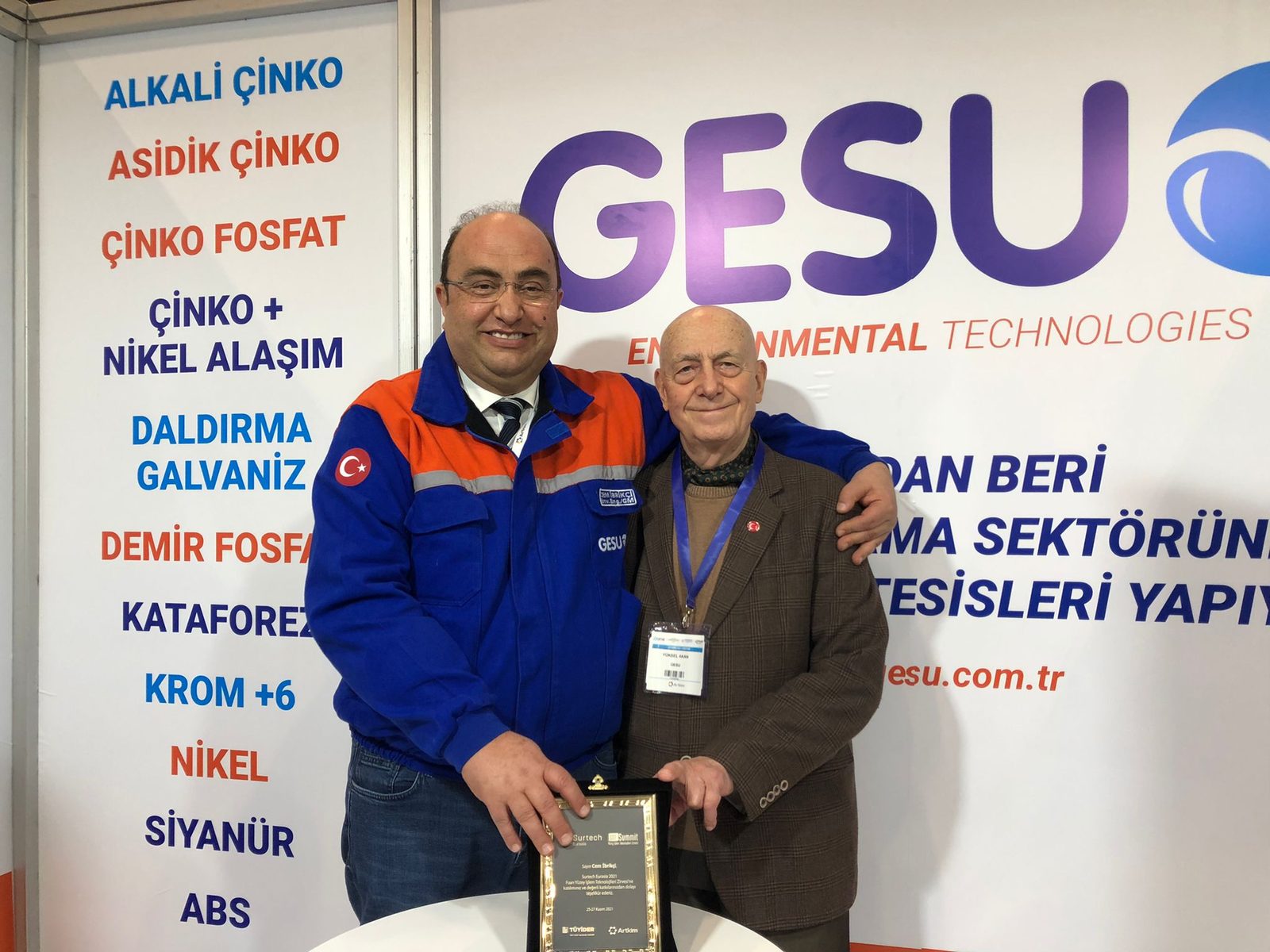
Reusing Plating Water with UF + RO
The plater is a serious water user, consuming 20-100 m³ per ton of product. After correct pretreatment, water treated with UF + RO returns to the rinsing stages and process water; the water bill and the discharge load drop together.
GESU has proven it in the field: 70% of the water is recovered on the plating line of a white-goods giant in Eskişehir and 30% at Şara Adana; at EJOT TEZMAK, a UF + RO water treatment system produces stable water for plating quality.
Water recovery & reuse solutions- Fresh water consumption and discharge load fall together
- Stable rinse quality → stable plating quality
- Option to recover valuable metals from sludge / concentrate
- The rate depends on wastewater character and concentrate management.
If Your Plating Line Is Changing, Your Treatment Must Change Too
Chromium- and phosphate-based pretreatments are increasingly being replaced by environmentally friendly zirconium-based nano-ceramic conversion coatings. The absence of Cr⁶⁺ is a major advantage; however, these baths are based on hexafluorozirconic acid and introduce fluoride into the wastewater.
Fluoride demands its own treatment: it is precipitated with lime (Ca(OH)₂) as calcium fluoride (CaF₂) and brought below the 15 mg/L discharge limit. So when a plant switches from chromium conversion to zirconium, the treatment must be redesigned from chromium reduction to fluoride precipitation.
As the plating line changes, the wastewater changes too. A good treatment plant is designed flexibly, anticipating not today's chemistry but the chemistry of the plant's future. GESU builds both.
Let's Talk About Your Plating Treatment Project
A new line, a capacity increase or an existing plant that cannot meet its limits — let's define the right solution for plating wastewater and recovery together. Send us your analysis results: an engineer contacts you within 24 hours, and the detailed preliminary assessment follows within 48 hours.
What does metal finishing and surface treatment wastewater typically arrive with?
The parameters we meet most often in this sector, why each one is difficult, and which stage deals with it. This is where our quotation conversation starts.
| Parameter | Typical range | Why it is difficult | Stage that deals with it |
|---|---|---|---|
| Total chromium / Cr⁶⁺ | 10 – 500 mg/L (depending on bath drag-out) | Cr⁶⁺ is toxic and cannot be precipitated; it must first be reduced to Cr³⁺. | Metabisulphite reduction + hydroxide precipitation |
| Cyanide (CN⁻) | 5 – 200 mg/L | If it meets acid it releases lethal HCN gas — a segregated line is mandatory. | Alkaline chlorination, on a SEPARATE line |
| Nickel, zinc, copper | 10 – 300 mg/L | Each metal has its own minimum-solubility pH; one pH will not precipitate them all. | Staged pH + hydroxide/sulphide precipitation |
| pH | 1 – 13 | Acid pickling and alkaline degreasing waters arrive at both extremes. | Staged neutralisation |
| Chelating agents (EDTA, citrate) | Variable | They hold the metal in solution; conventional precipitation simply does not work. | Chelate breaking + specific precipitation |
| Oil and grease | 50 – 500 mg/L | From degreasing baths; it ruins the metal-hydroxide floc. | Emulsion breaking + DAF |
| TSS after precipitation | Target < 30 – 50 mg/L | Metal hydroxide floc is light and fragile. | Lamella settling + sand/disc filtration |
These ranges are typical values from general engineering literature and our own field experience — they are not a guarantee. The real character of your water is only established by analysis, and the design follows the analysis.
The three mistakes we see most often in this sector
Three things that keep coming back in the plants we take over and rebuild. If you are building new, avoid them; if your existing plant is misbehaving, the answer is usually one of these three.
Cyanide and chromium streams are mixed into the general line
This is the most dangerous mistake, for safety as well as for treatment. If cyanide-bearing water meets acidic water, hydrogen cyanide gas is released. Cyanide oxidation and chromium reduction must be carried out BEFORE and SEPARATELY from general neutralisation. The whole plant layout is built on this.
All metals are precipitated at a single pH
Zinc is least soluble around pH 9-10, nickel higher, copper lower. In a plant with mixed baths, choosing one pH setpoint means one metal precipitates while another leaves dissolved in the effluent. When an analysis shows one metal over the limit, the answer is usually here.
All rinse waters are collected in one stream
Without cascade rinsing and stream segregation, both water consumption and treatment load multiply. Concentrated bath dumps collected separately and fed under control make the plant far smaller and far more stable.
Which discharge limit applies to you?
In Türkiye this is the first question that sets the size and the stages of a treatment plant — and the answer is different from what most plants assume.
Direct discharge to a receiving environment
If treated effluent goes to a river, lake, sea or groundwater, the sector table in the annex of the Turkish Water Pollution Control Regulation (SKKY) applies.
Your table
SKKY Tables 15.3 / 15.5 / 15.7
Metal Industry — Galvanising (15.3) / Electrolytic Plating (15.5) / Hot-Dip Galvanising (15.7)
Discharge to a sewer or an industrial zone
In that case the SKKY sector tables do not apply. What binds you is the discharge regulation of your own water and sewerage administration (BUSKİ, İSKİ, ASKİ …) or of the organised industrial zone you are connected to.
Those limits differ between administrations and can be stricter than SKKY on some parameters. It is one of the first documents we ask for.
An honest note: which table actually binds a plant is settled by the provincial directorate's sector classification during environmental permitting. The information here is a guide, not a binding legal opinion — in design we always confirm the limits in writing with the competent authority.
Source: annex of the Turkish Water Pollution Control Regulation (Official Gazette 31.12.2004/25687) and its subsequent amendments. The latest amendment (23.10.2025/33056) did not change these tables.
What to send us for a quotation
Questions specific to this sector. With these answers in hand we quote in a single round; if you do not have all of them, write anyway and we will fill the gaps together.
- 1Which processes: zinc, zinc-nickel, hard chrome, decorative chrome, nickel, cataphoresis, anodising, hot-dip galvanising
- 2Are there cyanide baths? Chromium baths? Are they collected separately?
- 3Rinse water flow (m³/day) and bath dumping frequency/volume
- 4Analysis if available: total Cr, Cr⁶⁺, Ni, Zn, Cu, Fe, CN, oil & grease, pH
- 5Discharge target and the applicable regulation or OIZ pre-treatment requirement
- 6Disposal route for the metal hydroxide sludge and whether dewatering is in place
Metal Finishing & Plating Wastewater — Frequently Asked Questions
If you can't find the answer you are looking for, get in touch with us.
How is metal plating wastewater treated?
Plating wastewater is not homogeneous; it contains four streams whose chemistries are hostile to one another: oily/organic (degreasing baths), cyanide-bearing, chromium-bearing (Cr⁶⁺) and the acid-alkali/heavy-metal stream. The first rule of proper treatment is stream segregation. The cyanide stream is oxidized by alkaline chlorination, the chromium stream is reduced to Cr³⁺ under acidic conditions, and the oily stream is de-oiled with DAF; only then do the streams meet in neutralization and staged hydroxide precipitation. The sludge is dewatered in a filter press; the effluent receives sand + activated carbon polishing, and UF+RO if the target is water recovery. GESU makes this segregation a non-negotiable requirement at the design table.
How are cyanide-bearing and chromium (Cr⁶⁺) wastewaters treated?
Cyanide is destroyed by two-stage alkaline chlorination: in the first stage, at pH 10-10.5, it is oxidized to cyanate; in the second stage, at pH 7-8, to carbon dioxide and nitrogen. With proper ORP control, removal above 99% and effluent below 0.5 mg/L are achieved. Cr⁶⁺ is reduced to Cr³⁺ with sodium metabisulfite at pH 2-3 within 15-30 minutes, down to below 0.1 mg/L, and then precipitated as hydroxide under alkaline conditions. The critical rule: these two streams — one an oxidation, the other a reduction — must never enter the same pretreatment; mixing them is chemically equivalent to pouring two mutually cancelling formulations into the same tank.
Why is zinc-nickel alloy plating wastewater more difficult?
Driven by automotive and defense industry demand, pure zinc plating is being replaced by zinc-nickel alloy plating containing roughly 12-15% nickel. Alkaline zinc-nickel baths contain strong complexing (chelating) agents that keep the metals stably dissolved; nickel in complexed form cannot be removed by conventional hydroxide precipitation. The complex must first be broken by lowering the pH and, if necessary, destroying the chelating agent; only after the metal is released can it be precipitated. Designing zinc-nickel wastewater as if it were ordinary zinc wastewater is a certain recipe for failing the nickel discharge limit. GESU has built zinc-nickel alloy and zinc treatment lines with this approach at Norm Holding's 5 plants.
What does DAF do in metal finishing treatment?
The degreasing baths at the head of the plating line (alkaline, solvent, electrolytic, emulsion) generate a high COD, oil-and-grease and surfactant load; this load sabotages metal precipitation and fouls membranes. Free oil is removed by skimming and DAF (dissolved air flotation); stable emulsions are prepared for DAF by chemical emulsion breaking. GESU has proven this in the field: GESU DAF units operate on Norm's zinc treatment line, on the plating wastewater of a white-goods giant in Eskişehir (70% water recovery) and on oil treatment at Şara Adana. GESU manufactures its DAF units in its own factory.
Can plating wastewater be recovered, and at what rate?
Yes. After correct pretreatment (stream segregation, precipitation, sand + activated carbon polishing), plating wastewater can be reused as rinse and process water via UF+RO. In GESU references: about 70% of the water is recovered on the plating line of a white-goods giant in Eskişehir; at Şara Adana a GESU DAF unit treats the oily stream; a UF+RO water treatment system is installed at EJOT TEZMAK. The rate depends on wastewater character, the target point of use and concentrate management. In a sector consuming 20-100 m³ of water per ton of product, recovery turns wastewater from an expense item into a competitive advantage.
What happens if discharge limits are exceeded?
Metal plating discharge is subject to the heavy metal, cyanide and fluoride limits in the metal industry tables of the Turkish Water Pollution Control Regulation; EU limits for the surface treatment sector are even stricter for several parameters. Exceeding the limits triggers heavy administrative fines under Environmental Law No. 2872; repeated violations multiply the penalties and can escalate to suspension of operations and cancellation of sewer connection permits in industrial zones. Because heavy metals are persistent and toxic, enforcement tolerance is low. The right approach is not to carry the penalty risk, but to design the plant — through stream segregation and correct chemical sequencing — to operate safely below the limits with margin. Send us your analysis results — an engineer contacts you within 24 hours and the detailed preliminary assessment follows within 48 hours.
Let our references do the talking
500+ completed projects across 17 countries — see what we have delivered in this industry.
Explore our metal finishing references