
The Master of Slaughterhouse Wastewater in Türkiye
Since 2007, when we pioneered treating wastewater together with blood at the Dört Mevsim integrated meat facility, we have built DAF + biological treatment plants at Namet, Banvit, Akşeker, Beşler and dozens of integrated meat facilities — and we are building the water reuse chain at Namet Gümüşova right now. Today we export this know-how to Morocco (Maroc).
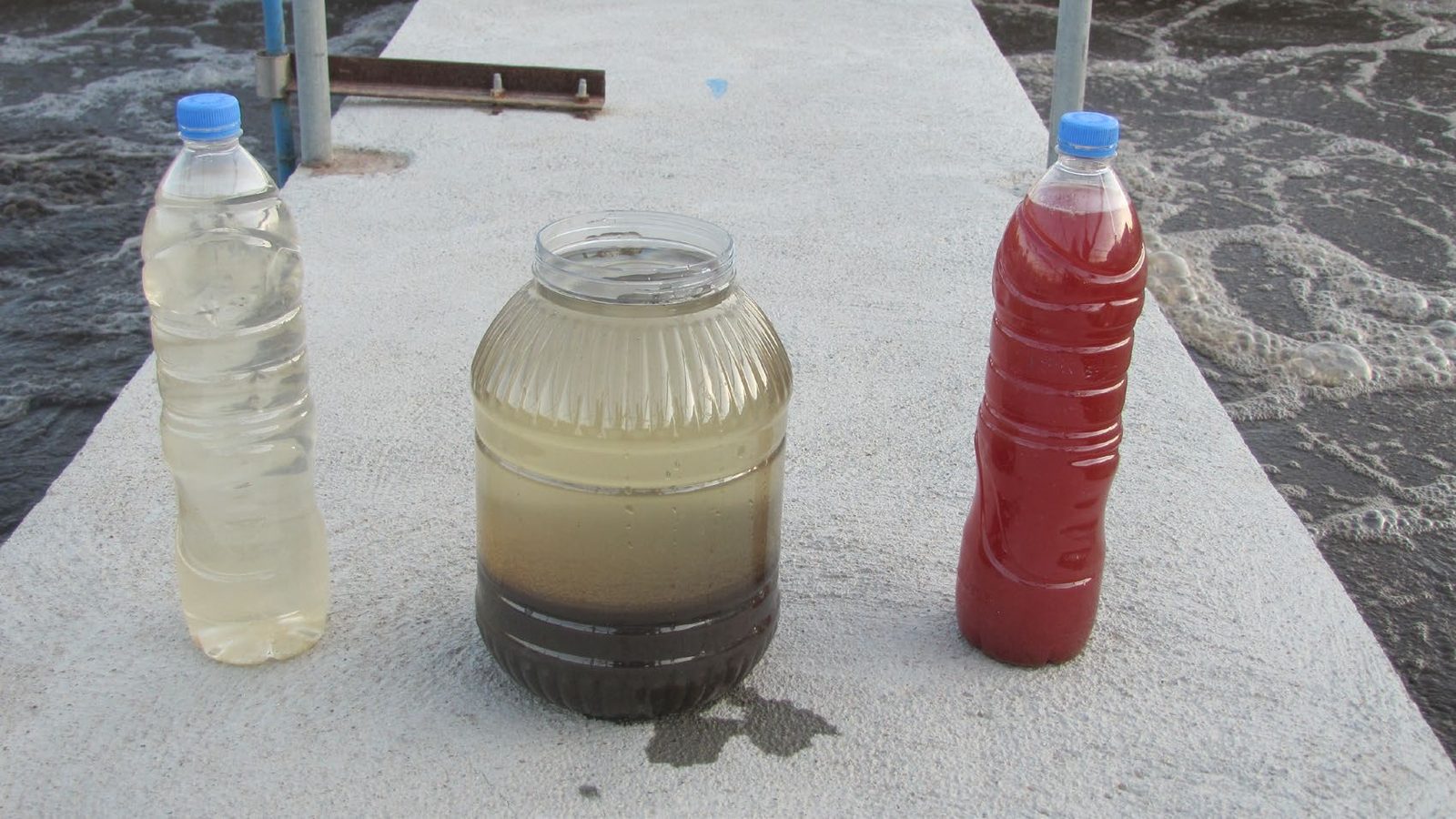
The red bottle on the right is raw bloody wastewater; the clear bottle on the left is the same water after GESU treatment. The difference is engineering.
At an integrated meat facility we built in İstanbul, a TÜRKAK-accredited laboratory measured the COD at the GESU treatment outlet at 64 mg/L — the legal discharge limit is 800 mg/L. That is cleaner than one-tenth of the limit.
One of the first applications in Türkiye to treat slaughterhouse wastewater together with blood, at the Dört Mevsim facility.
References — led by Banvit and Namet — built with Ministry of Environment / authority project approval.
Meat Facilities That Trust Us
From small municipal abattoirs to nationwide brands; we have solved the toughest slaughterhouse wastewater characteristics for years with the same team. Orange-framed cards show customers who entrusted us with more than one facility.





Brand names and logos belong to the respective companies; presented by GESU as references. Plant counts are based on GESU's project archive.
Our Own Manufacturing, Our Own Sites
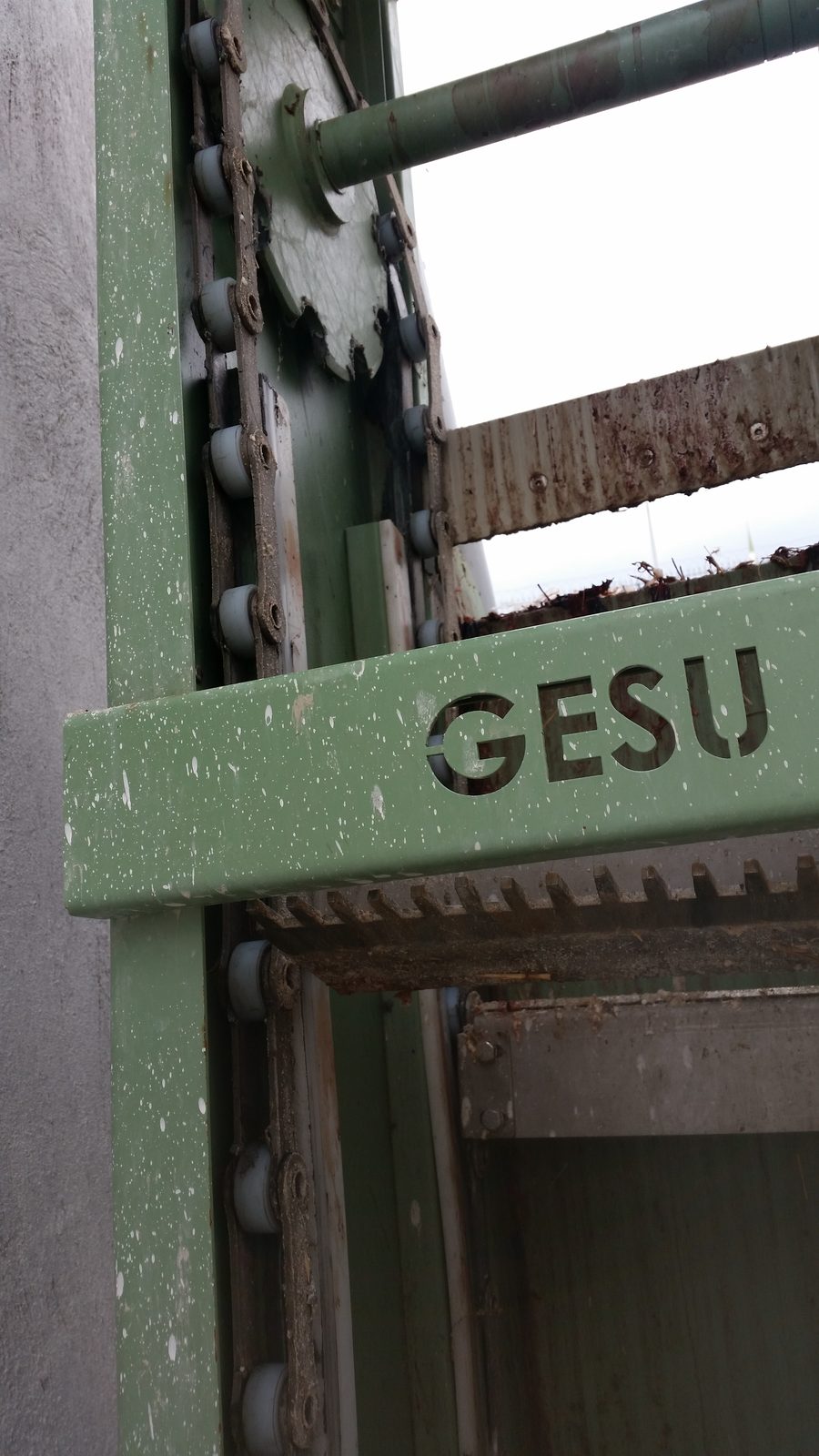
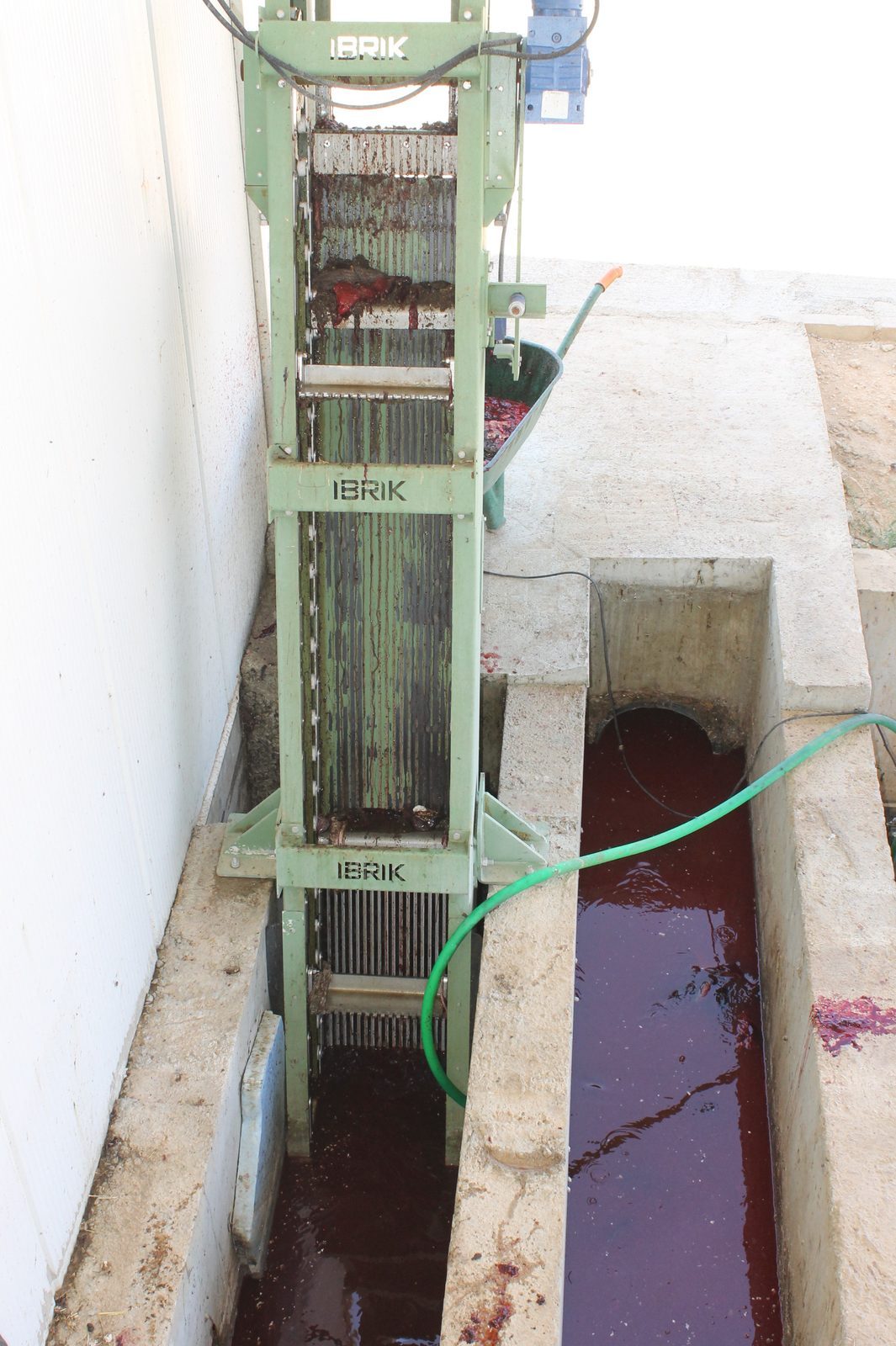
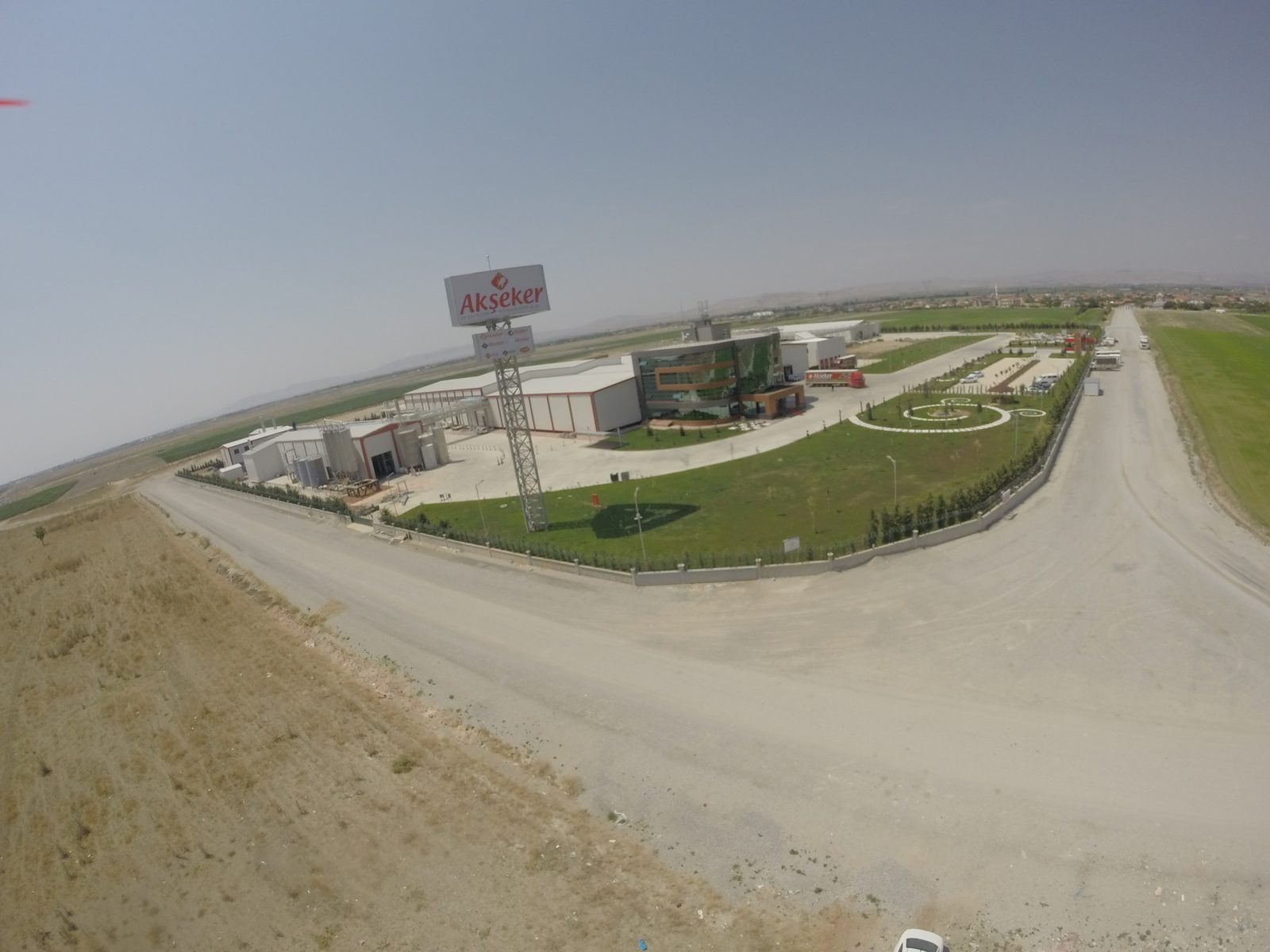
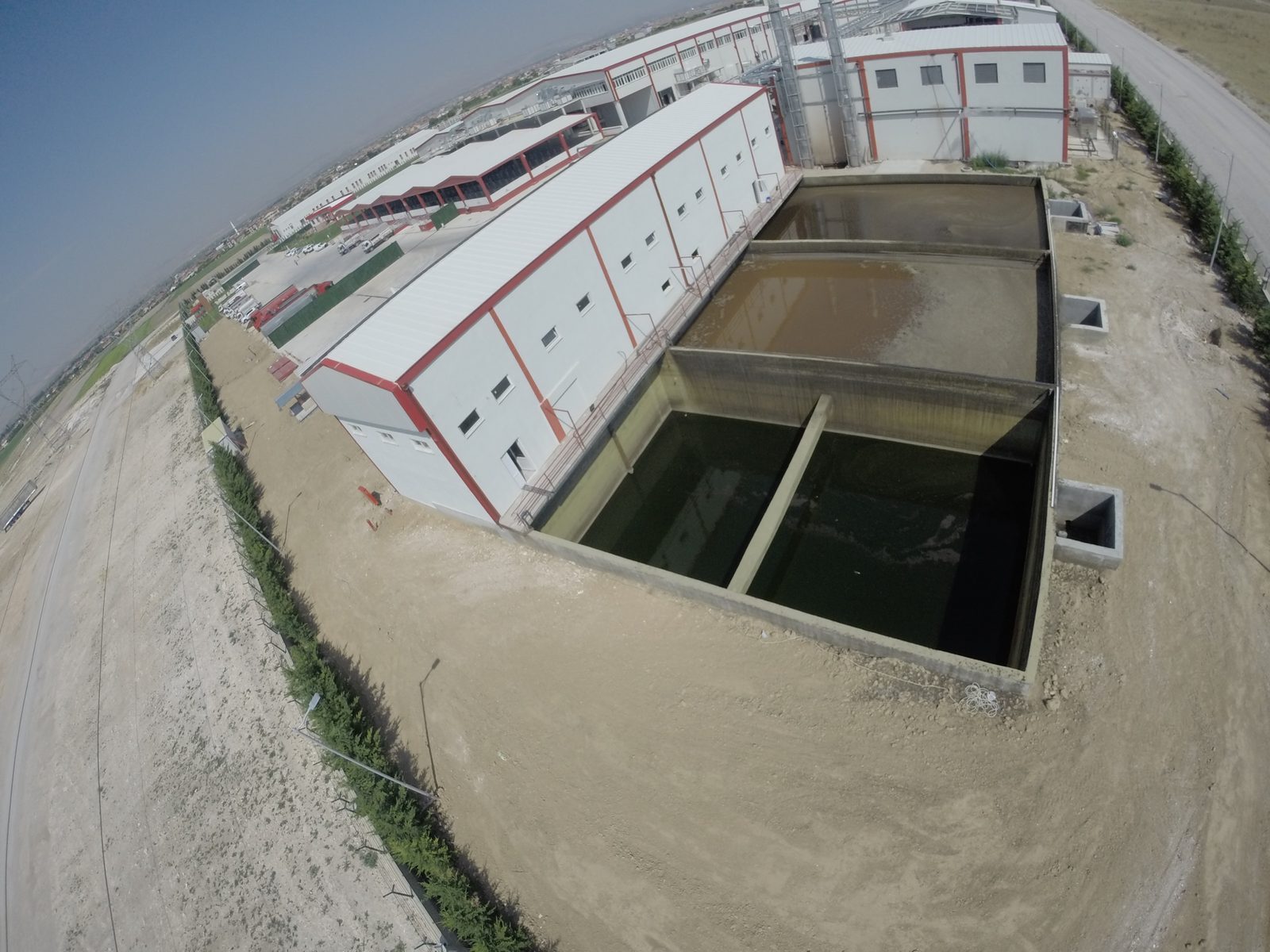
Not stock imagery. Every frame below is from a real GESU slaughterhouse reference. Click to enlarge.
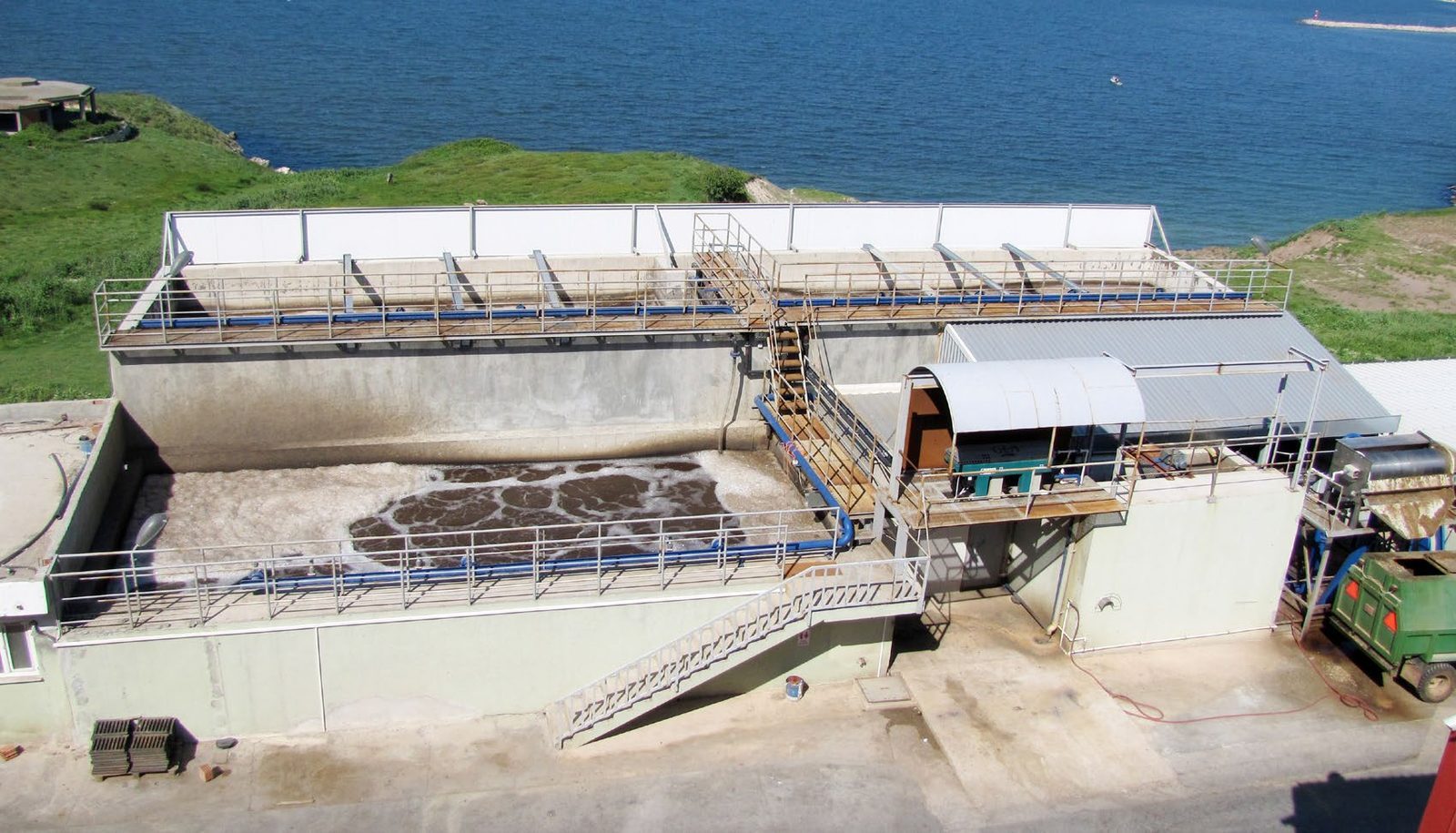
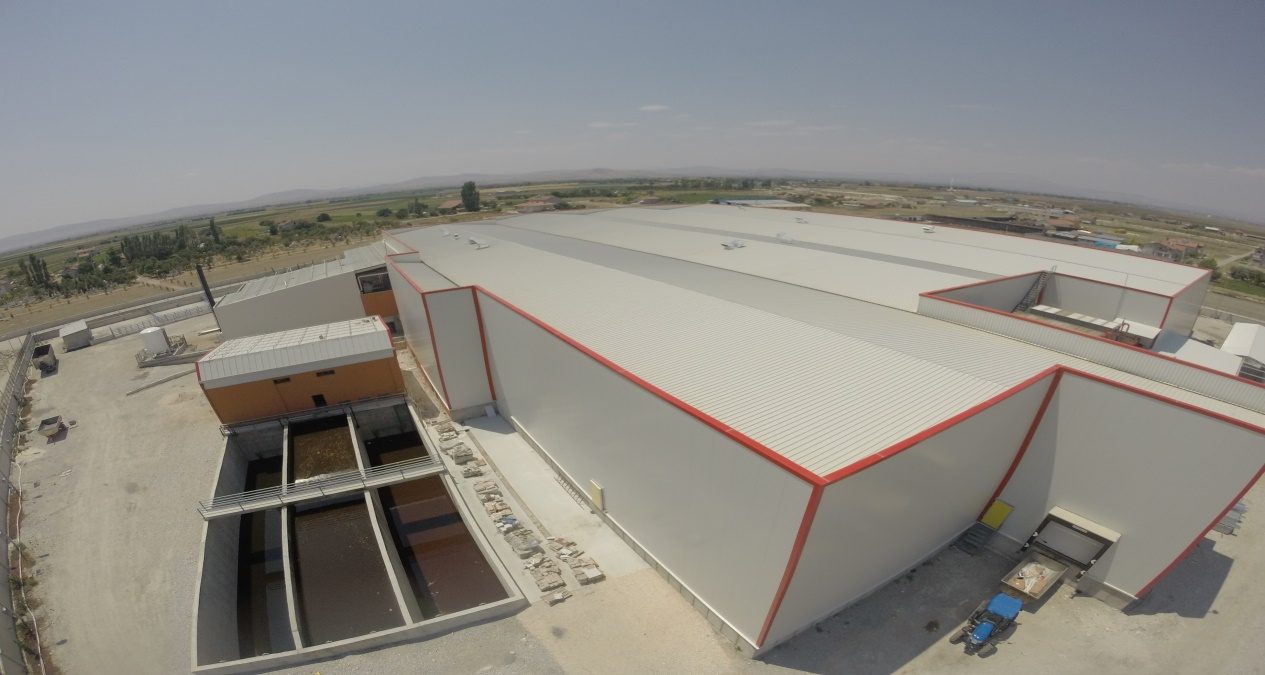
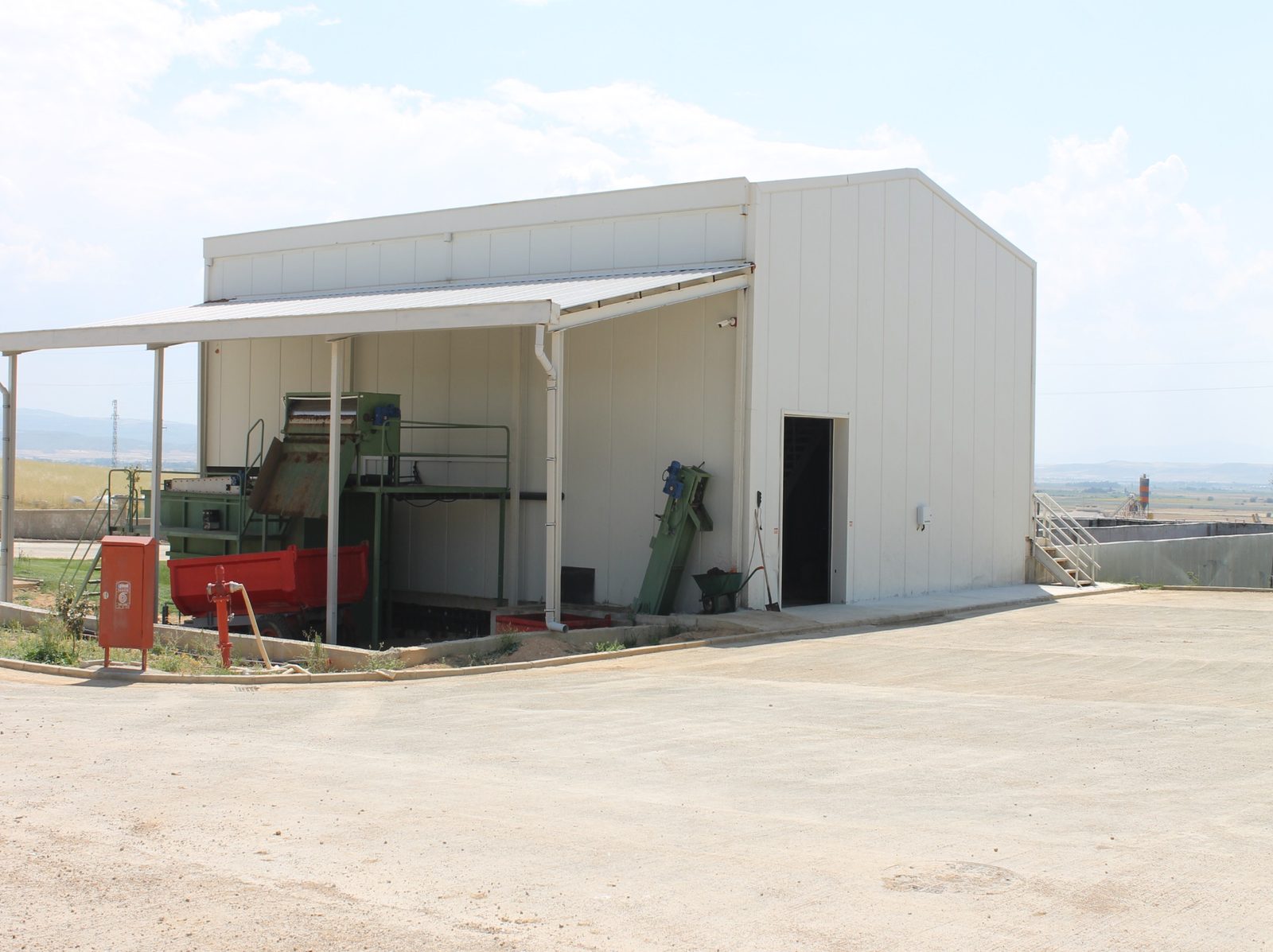
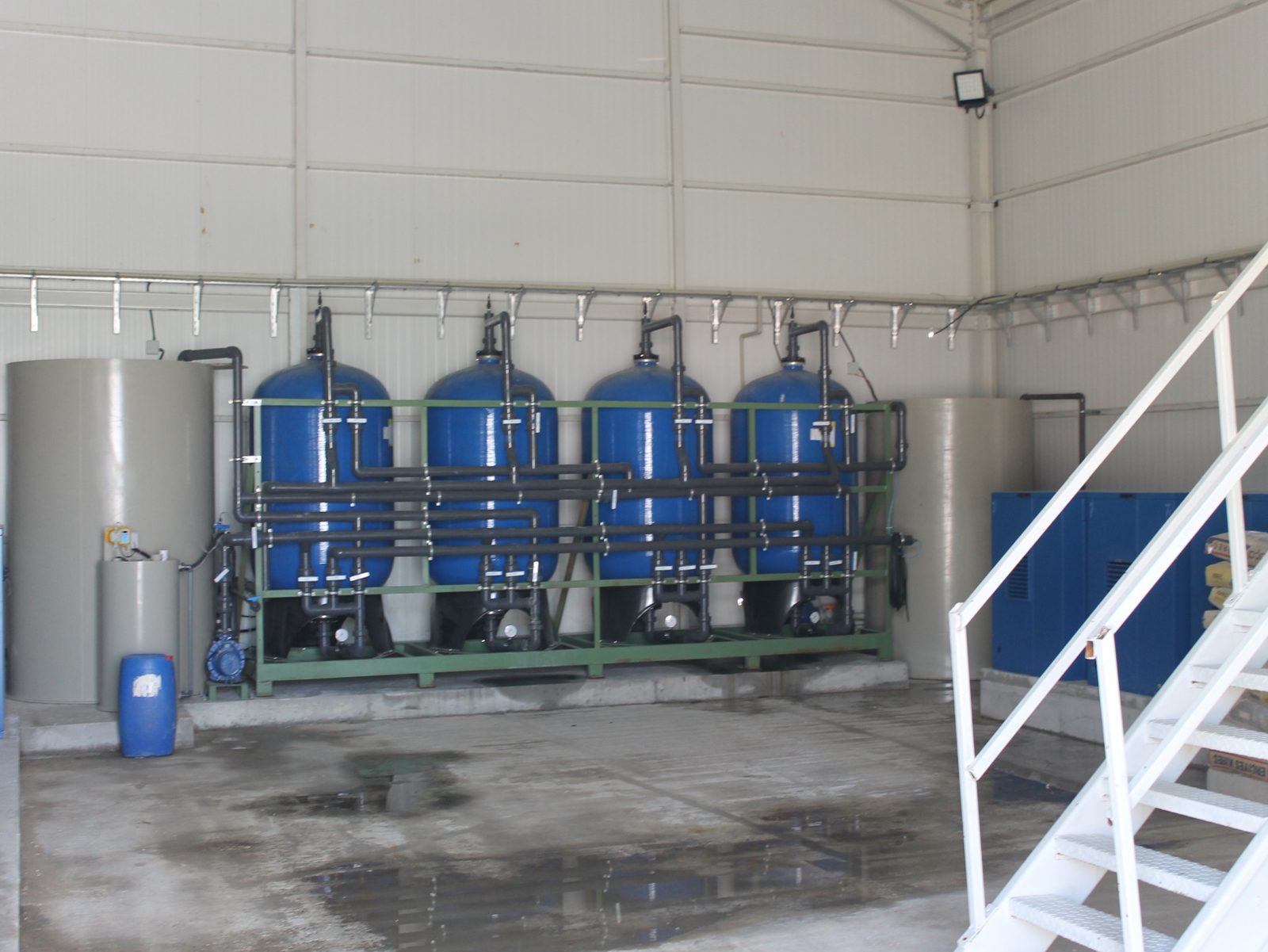
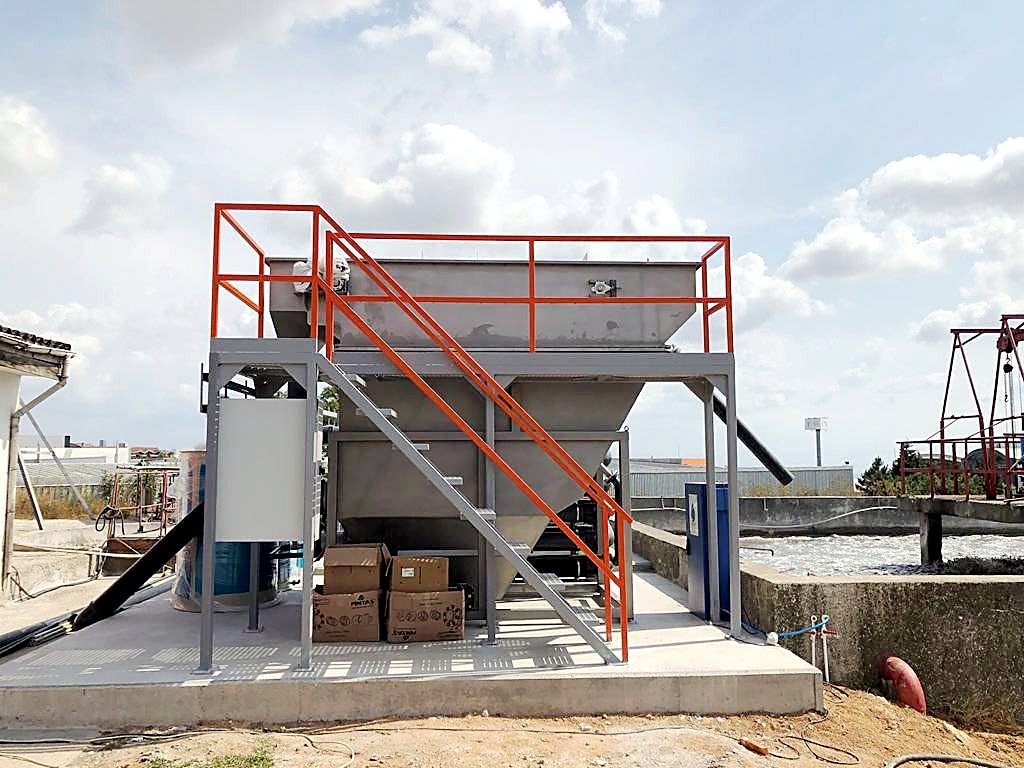
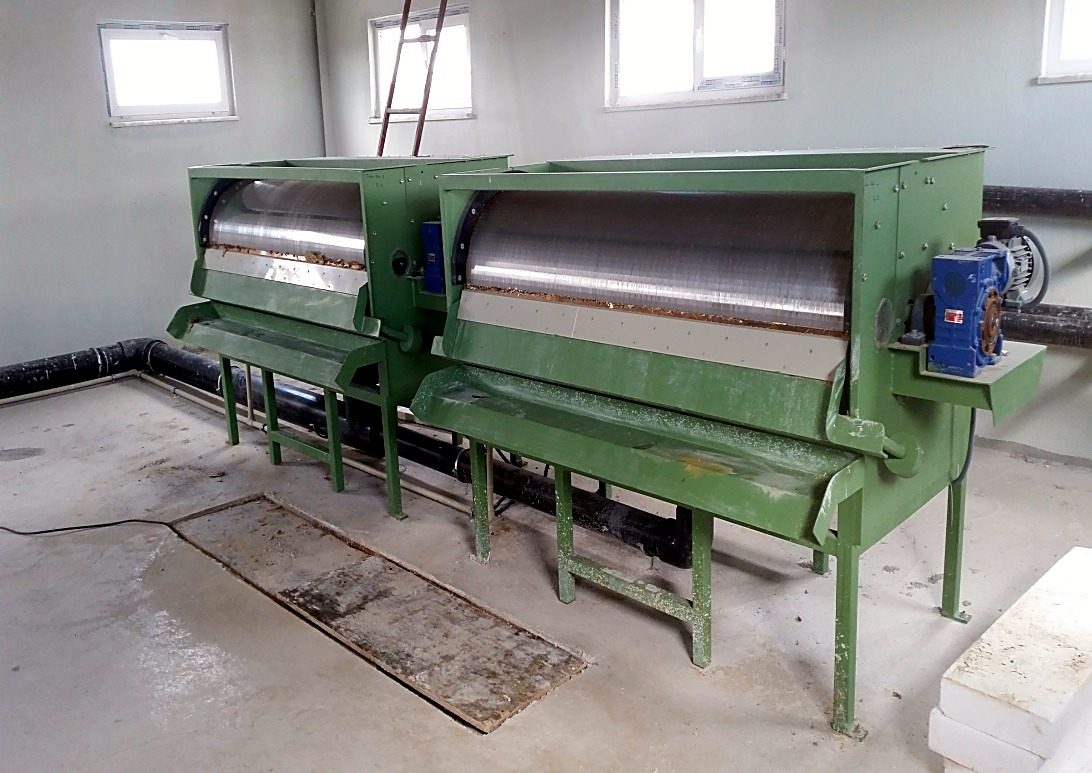
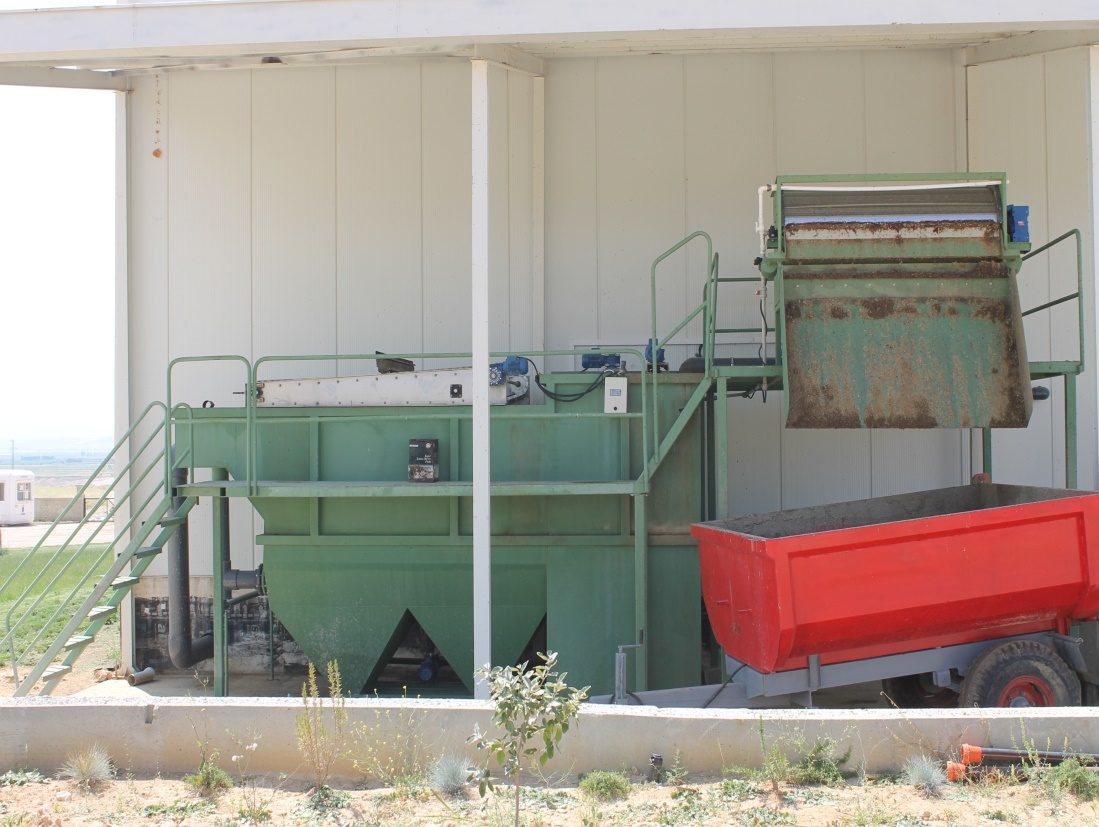
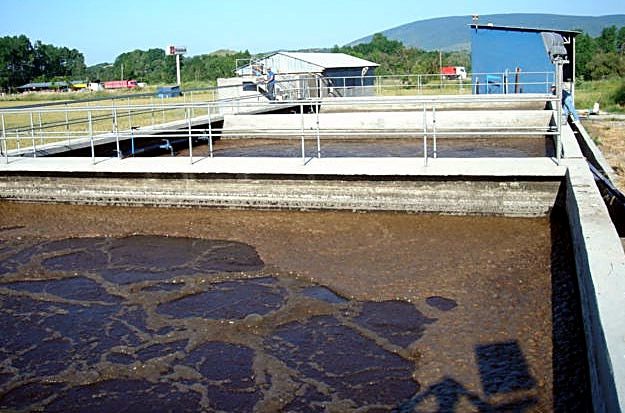
Footage from the Field
GESU treatment site at the Akşeker Konya integrated meat facility — from the air.
The Challenge of Slaughterhouse Wastewater
Slaughtering, hide removal, evisceration and cleaning operations produce a wastewater with a very high organic load, high fat content and microbiological risk. The values below are typical; precise characterization is based on composite sample analysis.
The GESU Process Chain
We build a proven, staged treatment chain for slaughterhouse wastewater. The stages scale according to the facility's load and its discharge/reuse target.
1. Screening
Coarse solids, tissue and bone fragments are removed by fine screens/rotary sieves; downstream units are protected.
2. Equalization
Flow-load fluctuations from shifts and cleaning are balanced; the biological stage runs steadily.
3. DAF
Dissolved air flotation removes most of the oil & grease and TSS; the COD load drops significantly.
4. Anaerobic (Option)
At very high loads, a UASB-type anaerobic stage reduces COD with low energy and enables biogas recovery.
5. Biological Treatment
Activated sludge, SBR or MBR removes dissolved organic matter and nutrients (N/P); MBR delivers a compact footprint and high-quality effluent.
6. Disinfection & Water Reuse
Disinfection before discharge; optional MBR + RO for water reuse in boiler/cooling and site water.
Morocco Slaughterhouse Wastewater Treatment Plant
The slaughterhouse wastewater treatment plant we built turnkey in Morocco has been completed. The plant was inspected on site by Moroccan government officials and shown as a model for similar facilities.
This reference is a concrete starting point for public institutions that want to establish a repeatable slaughterhouse WWTP model nationwide. By scaling the same process backbone to different capacities, GESU offers an approach that can serve as a model for type-project work.
Explore our projects
Type-Project Approach
When multiple slaughterhouses need to be treated to the same standard, using a standardized, repeatable design instead of designing each facility from scratch delivers advantages in time, cost and quality. GESU's type-project approach is built for exactly this need.
Standardized Design
The same proven process backbone (Screening → DAF → Biological → Disinfection) is repeated across all facilities; design risk and duration decrease.
Modular / Package Solutions
Factory-built, quickly site-assembled modular systems using BIOSU package treatment units; ideal for small and medium slaughterhouses.
Scalable Capacity Steps
Predefined capacity steps for different slaughter capacities; the right size for each facility is selected quickly.
Fast Commissioning
Thanks to standard design and factory manufacturing, site installation and commissioning times are shortened; the schedule becomes predictable across the program.
Single-Source Manufacturing + Installation + Training
Engineering, manufacturing, installation and operator training under one roof; consistent quality and a single point of contact throughout the program.
Shared Spare Parts & O&M
Since all facilities use the same equipment family, spare parts, maintenance and operator training are standardized; operating costs decrease.
Reusing Slaughterhouse Water with MBR + RO
When biological treatment is completed with MBR and RO is added at the outlet, treated slaughterhouse water can be reused for non-process applications such as boiler feed, cooling towers, site washdown and irrigation. This reduces the water bill and the discharge load.
At the Namet Gümüşova integrated meat facility GESU is currently building this chain: DAF pre-treatment + Kubota flat-plate MBR + RO. Once the plant is commissioned, the effluent will be reclaimed as boiler feed and cooling water.
Erection under way — commissioning scheduled for the end of 2026
Explore the Namet Gümüşova project- Reduction in fresh water consumption and discharge load
- Compact layout and high-quality effluent with MBR
- Reliable water quality for non-process use
- Use for drinking water purposes is not intended.
Deep Experience in Türkiye
GESU has concentrated experience in slaughterhouse and meat-processing wastewater in Türkiye. Combined with expertise in the food and metal-plating industries, this experience allows us to produce reliable solutions for challenging wastewater characteristics.
Slaughterhouse & Meat Processing
Abattoir wastewater with high COD and oil & grease loads; experience in DAF + biological + water reuse.
Food Industry
Broad food-sector expertise including dairy, fruit & vegetable, vegetable oil and seafood. Food industry page →
Metal & Plating
Heavy metal and chemical treatment; increasing focus on water reuse and ZLD. Metal industry page →
Let's Talk About Your Project
With 30 years of experience, let's define the solution that best fits your project — together.
What does slaughterhouse and integrated meat plant wastewater typically arrive with?
The parameters we meet most often in this sector, why each one is difficult, and which stage deals with it. This is where our quotation conversation starts.
| Parameter | Typical range | Why it is difficult | Stage that deals with it |
|---|---|---|---|
| COD | 2,000 – 10,000 mg/L | Blood, fat and paunch content arrive together and peak during slaughter hours. | Screening + DAF + biological |
| Fat, oil and grease | 300 – 2,000 mg/L | Animal fat flows while hot and solidifies in the pipe once it cools. | Grease trap + DAF |
| TSS | 1,000 – 4,000 mg/L | Hair, bristle, paunch content and blood clots — mechanical separation is mandatory. | Coarse screen + drum screen |
| Total nitrogen | 150 – 500 mg/L | Blood is the largest protein load; nitrogen removal is the real work in this sector. | Nitrification-denitrification |
| Blood (separate stream) | COD 150,000+ mg/L | If it enters the drain it alone overwhelms the plant — collecting it separately is rule number one. | Separate collection + rendering/disposal |
| pH | 6.5 – 8.0 | Relatively stable; the real issue is load fluctuation, not pH. | Equalisation |
| Temperature | 20 – 35 °C | Scalding water arrives hot — hot and greasy water is the fastest route to an odour problem. | Equalisation + covered tanks with extraction |
These ranges are typical values from general engineering literature and our own field experience — they are not a guarantee. The real character of your water is only established by analysis, and the design follows the analysis.
The three mistakes we see most often in this sector
Three things that keep coming back in the plants we take over and rebuild. If you are building new, avoid them; if your existing plant is misbehaving, the answer is usually one of these three.
Blood is not collected separately
The COD of slaughter blood is more than ten times that of the wastewater itself. Sending it to the drain both doubles the treatment plant and throws away a saleable by-product. A blood trough and a separate collection line is the most profitable investment you can make in treatment.
A grease trap is mistaken for a DAF
A grease trap only removes free, floating grease. Most of the fat in slaughter and scalding water is emulsified and can only be removed with a coagulant and dissolved air. Where only a grease trap is installed, fat passes into the biological stage, the sludge floats and odour begins.
Odour is dealt with after the plant is built
Hot, greasy, protein-rich water turns odorous quickly. Odour is only solved if it is captured AT SOURCE — if tank covering and the extraction layout are not designed with the plant, a scrubber added later never sees most of the odour.
Which discharge limit applies to you?
In Türkiye this is the first question that sets the size and the stages of a treatment plant — and the answer is different from what most plants assume.
Direct discharge to a receiving environment
If treated effluent goes to a river, lake, sea or groundwater, the sector table in the annex of the Turkish Water Pollution Control Regulation (SKKY) applies.
Your table
SKKY Table 5.6
Food Industry — Slaughterhouses and Integrated Meat Plants
Discharge to a sewer or an industrial zone
In that case the SKKY sector tables do not apply. What binds you is the discharge regulation of your own water and sewerage administration (BUSKİ, İSKİ, ASKİ …) or of the organised industrial zone you are connected to.
Those limits differ between administrations and can be stricter than SKKY on some parameters. It is one of the first documents we ask for.
An honest note: which table actually binds a plant is settled by the provincial directorate's sector classification during environmental permitting. The information here is a guide, not a binding legal opinion — in design we always confirm the limits in writing with the competent authority.
Source: annex of the Turkish Water Pollution Control Regulation (Official Gazette 31.12.2004/25687) and its subsequent amendments. The latest amendment (23.10.2025/33056) did not change these tables.
What to send us for a quotation
Questions specific to this sector. With these answers in hand we quote in a single round; if you do not have all of them, write anyway and we will fill the gaps together.
- 1Daily slaughter numbers (cattle / sheep / poultry separately) and working hours
- 2Is blood collected separately? Where does the paunch content go?
- 3Is there a rendering (by-product) unit on site, and does its effluent join the stream?
- 4Wastewater flow (m³/day) and peak hourly flow
- 5Discharge target: receiving environment, municipal sewer, OIZ collector or reuse
- 6Are there odour complaints, and how close is the nearest residential area?
Slaughterhouse Wastewater Treatment — Frequently Asked Questions
If you couldn't find the answer you're looking for, get in touch with us.
How is high COD reduced in slaughterhouse wastewater?
Slaughterhouse wastewater typically has a COD of 3,000–10,000 mg/L or higher. GESU first stabilizes the load with screening and equalization, then separates oil & grease and suspended solids with DAF, removing a significant portion of the organic load. The remaining dissolved COD is broken down by biological treatment (activated sludge, SBR or MBR); for very high loads an anaerobic + aerobic combination is applied. Values vary by facility; the final design is based on composite sample analysis.
Why is DAF essential in slaughterhouse treatment?
Slaughterhouse wastewater contains heavy oil & grease, blood and suspended solids. DAF (dissolved air flotation) lifts these components to the surface and removes them before they reach the biological unit, preventing clogging and efficiency loss in the biological basin. Typically the bulk of the oil & grease and TSS, along with a considerable part of the COD, is separated at the DAF stage, lowering the biological load and energy demand.
When is anaerobic treatment preferred in a slaughterhouse?
When the organic load (COD) is high, anaerobic pre-treatment (e.g. UASB) comes into play. The anaerobic stage reduces high COD with low energy, lowers excess sludge production and enables biogas recovery. It is usually completed with an aerobic stage (activated sludge/MBR) to reach discharge/reuse quality at the outlet.
Can slaughterhouse wastewater be reclaimed and reused?
Yes. When biological treatment is completed with MBR and RO is added at the outlet, the treated water can be reused for non-process applications such as boiler feed, cooling towers, site washdown and irrigation. At the Namet Gümüşova integrated meat facility GESU is currently building exactly this chain — DAF + Kubota flat-plate MBR + RO — and once the plant is commissioned at the end of 2026 the reclaimed water will be used as boiler feed and cooling water. Use for drinking water purposes is not intended.